50 Marketing Ideas for Small Business on a Budget
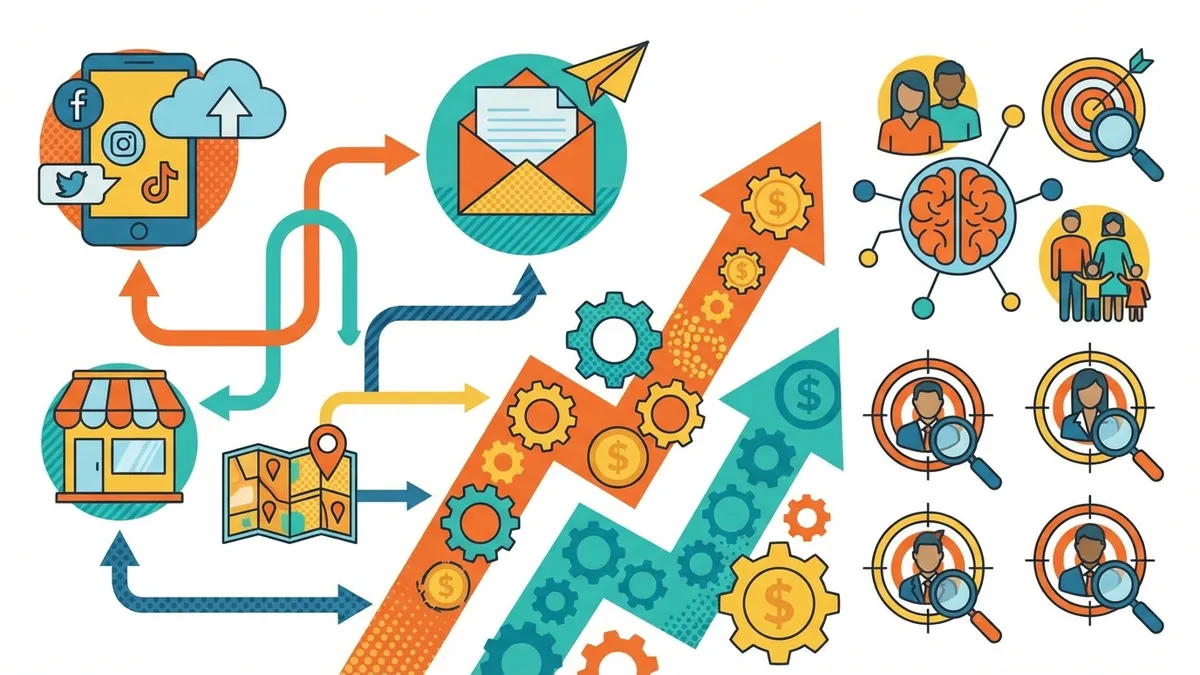
You don't need a big marketing budget to compete. The most effective marketing for small businesses in 2026 is about consistency, creativity, and targeting the right channels for your specific customer base. This guide gives you 50 actionable marketing ideas — digital, offline, and budget-friendly — along with real tools, pricing, and tips for measuring what's working.
Digital Marketing Ideas
1. Start a Blog with SEO-Optimized Content
Content marketing drives organic search traffic month after month without ongoing ad spend. Write articles that answer questions your customers are already searching on Google. A single well-optimized post can bring in leads for years. Use Google's free Keyword Planner to find topics with search volume and low competition.
2. Claim and Optimize Your Google Business Profile
Your Google Business Profile is the most important free marketing tool available. It controls what appears when customers search your business name or "[your service] near me." Add accurate hours, photos, your menu or services list, and respond to every review. Businesses with complete profiles get 7x more clicks than incomplete ones. Score the listing with the Google Business Profile checklist, then run the local SEO checklist for citations and service pages.
3. Email Marketing and a Monthly Newsletter
Email marketing delivers an average return of $36 for every $1 spent — the highest ROI of any digital marketing channel. Build your list from day one by offering a discount, free guide, or exclusive content in exchange for an email address. Send at minimum one email per month.
4. Social Media Presence (Pick 2 Platforms)
Focus on 2 platforms where your audience actually spends time rather than spreading thin across all of them. Post consistently — 3-5 times per week — and prioritize content that provides value or entertains over pure promotion. The 80/20 rule applies: 80% helpful or entertaining, 20% promotional.
5. Create a Memorable Brand Slogan
A great slogan makes every piece of marketing more effective. It's the hook that sticks in a customer's mind after they scroll past your ad or drive past your sign. Use our free Slogan Generator — or the painter slogan generator if you wrap vans — to create options in seconds.
6. Local SEO Optimization
Beyond your Google Business Profile, local SEO includes getting your business listed consistently on Yelp, Apple Maps, Bing Places, and industry-specific directories. Inconsistent NAP (Name, Address, Phone) data across directories hurts your local search ranking. Walk the full list with the local SEO checklist.
7. Facebook and Instagram Ads
Meta's ad platform lets you target customers by location, age, interests, and behavior with budgets starting at $5/day. Retargeting ads — showing ads to people who visited your website — are particularly cost-effective, often delivering 3-5x better conversion rates than cold audiences.
8. Google Ads (Pay-Per-Click)
Google Ads puts your business at the top of search results for specific keywords. You only pay when someone clicks. For local service businesses, Google Local Services Ads (paid per lead, not per click) often deliver better ROI than standard search ads.
9. Create a YouTube Channel
YouTube is the world's second-largest search engine, and video content ranks in Google search results. How-to videos, before/after demonstrations, and customer testimonials build trust and drive leads. A basic YouTube channel is free; video production can start with just a smartphone.
10. TikTok Marketing
TikTok's algorithm gives small accounts organic reach that no other platform matches. Behind-the-scenes videos, process videos, and "day in the life" content consistently go viral for small businesses. The learning curve is real, but the upside is significant for visual businesses.
11. Start a Podcast or Guest on Podcasts
A podcast positions you as an authority in your field. Starting one requires minimal equipment ($100-200 for a good mic and editing software). Alternatively, reach out to existing podcasts in your industry to guest — you get access to their established audience for free.
12. Video Testimonials and Case Studies
Written reviews are good; video testimonials are far more persuasive. Ask your 3-5 happiest customers if they'd record a 60-second video talking about their experience. These testimonials can be used on your website, in ads, and across social media.
13. Instagram Reels and Short-Form Video
Reels get 3x the reach of standard Instagram posts. Even simple 15-30 second videos showing your product, service, or team can dramatically expand your organic reach without paid promotion.
14. Online Review Management
91% of consumers read online reviews before making a purchase. Actively ask satisfied customers to leave reviews on Google, Yelp, and industry-specific sites. Respond to every review — positive and negative. A business that responds to negative reviews professionally wins more trust than one that ignores them.
15. Retargeting Campaigns
Install the Meta Pixel and Google Tag on your website. This lets you show targeted ads specifically to people who already visited your site but didn't convert. Retargeting campaigns typically cost $100-500/month for small businesses and deliver some of the highest ROI in paid advertising.
16. Influencer Marketing (Micro-Influencers)
You don't need a celebrity. Micro-influencers with 1,000-50,000 followers in your local area or niche often charge $50-500 per post and have significantly higher engagement rates than mega-influencers. For local businesses, a local foodie, mom blogger, or fitness account can drive more relevant traffic than a national influencer.
17. Pinterest Marketing
Often overlooked, Pinterest drives significant search traffic for food, home improvement, beauty, and lifestyle businesses. Pins have a much longer shelf life than social posts — a good pin can drive traffic for years. Free to use; paid promotion available.
18. LinkedIn Content Marketing
For B2B businesses, LinkedIn is the most effective social platform. Publishing articles, sharing insights, and engaging in industry discussions builds your professional reputation and generates inbound leads. Premium LinkedIn (Sales Navigator) starts at $79/month and adds powerful lead generation tools.
19. Chatbot and Live Chat on Your Website
Adding a chat widget (Intercom, Drift, or free options like Tidio) to your website can increase conversions by 20-40%. Many customers prefer asking a quick question to filling out a contact form. Even an automated chatbot that captures contact information after hours generates leads you'd otherwise lose.
20. Build and Optimize Your Website for Conversions
Your website is your 24/7 salesperson. Make sure it loads in under 3 seconds, works on mobile, has clear calls-to-action, and makes it easy to contact you or buy. Add your business name to our Business Name Generator page if you're still building your brand identity.
Offline Marketing Ideas
21. Networking at Industry Events and Chambers of Commerce
Local business networks are underrated. Chamber of commerce events, BNI groups, and industry meetups put you in front of potential customers and referral partners. A single well-nurtured relationship can be worth more than a month of social media posts.
22. Referral Program
A structured referral program — "Give $20, Get $20" — turns your happiest customers into your sales team. Referral programs consistently outperform most paid acquisition channels because referred customers have higher trust, higher conversion rates, and higher lifetime values.
23. Community Sponsorships
Sponsor a local sports team, school event, charity run, or community festival. Costs range from $200-$2,000 and deliver repeated brand exposure to a local audience while building goodwill. Include your logo and slogan on any materials.
24. Vehicle Wraps and Signage
If your business involves vehicles — delivery, HVAC, plumbing, lawn care — a professional vehicle wrap turns every trip into a mobile billboard. Vehicle wraps cost $1,500-$5,000 and last 5-7 years. It's one of the lowest cost-per-impression advertising methods available.
25. Direct Mail Campaigns
Direct mail has rebounded significantly. Response rates of 4-6% are now common — compared to email's typical 2-3% click rate. Target specific zip codes with a postcard campaign using USPS Every Door Direct Mail (EDDM) for as little as $0.21-$0.27 per piece.
26. Strategic Partnerships and Cross-Promotions
Partner with complementary businesses that serve the same customer. A wedding photographer can partner with a florist, caterer, and DJ. A gym can partner with a nutrition store. Cross-promotions cost nothing and put your brand in front of pre-qualified customers.
27. Trade Show Participation
Industry trade shows and local home expos, bridal fairs, or craft markets put you face-to-face with your target customer. A 10x10 booth at a local expo costs $200-$1,000. Bring lead capture tools (tablet for email sign-ups, business cards, a giveaway) and follow up within 48 hours.
28. Host Educational Workshops or Events
Position yourself as an expert by hosting free or low-cost workshops related to your business. A financial advisor hosts a retirement planning seminar. A home improvement store hosts tiling workshops. This builds trust and generates leads simultaneously.
29. Collaborate with Local Schools and Nonprofits
In-kind donations or volunteer work with local nonprofits generates goodwill, PR opportunities, and often local media coverage. Many chambers and business associations also recognize community-minded businesses in their publications and awards programs.
30. Print a Great Business Card
Never underestimate a well-designed business card. They're low cost ($20-$50 for 500 at Moo or Vistaprint), high impact at in-person meetings, and a tangible reminder of your business when someone cleans out their wallet or drawer weeks later.
31. Window Displays and Curb Appeal
For brick-and-mortar businesses, your exterior is your first advertisement. A compelling window display, clean signage with your slogan, and good curb appeal convert foot traffic passively. A seasonal display refresh costs little and keeps the business looking active and engaged.
32. Loyalty Programs
Punch cards or digital loyalty programs (Stamp Me, Belly) turn one-time buyers into repeat customers. The average loyalty program member spends 12-18% more per visit than non-members. Even a simple "buy 10, get 1 free" card increases visit frequency.
33. Press Releases and Local Media Outreach
Local newspapers, radio stations, and news blogs are constantly looking for local business stories. A new location opening, a community partnership, an unusual product launch, or a charitable campaign are all newsworthy. Write a one-page press release and email it to your local business editor — it's completely free.
34. Branded Merchandise and Promotional Items
Branded pens, tote bags, mugs, or t-shirts turn customers into walking advertisements. Order 100-200 pieces of a quality, genuinely useful item (not cheap trinkets) and gift them to loyal customers or include them in purchase packages.
35. Signage at High-Traffic Locations
Billboards, bus stop ads, and park bench advertising reach local audiences repetitively. Billboard rentals in smaller markets start at $200-$500/month and can be highly effective for businesses with broad local appeal (restaurants, auto repair, insurance).
Low-Cost and Free Marketing Ideas (Under $100/Month)
36. Write Guest Posts for Industry Blogs
Reach new audiences by writing valuable content for established blogs in your industry. Guest posting builds backlinks to your website (improving SEO), establishes your credibility, and introduces you to an existing readership. Cost: zero.
37. Answer Questions on Reddit, Quora, and Facebook Groups
Find forums where your potential customers ask questions related to your business and provide genuinely helpful answers. Include a link to your website only when directly relevant. Consistent participation builds reputation and drives referral traffic.
38. Create a Free Resource or Lead Magnet
A downloadable checklist, template, calculator, or guide relevant to your industry captures email addresses from people researching your topic. A plumber's "15 Signs You Need to Replace Your Water Heater" checklist turns website visitors into email subscribers.
39. Optimize Your Email Signature
Your email signature is seen by everyone you email. Include your business name, website, phone number, one key service, and a call-to-action. "Check out our [service] or book a free consultation" added to 50 emails a day adds up.
40. Repurpose Content Across Platforms
Write one blog post. Turn it into an Instagram carousel. Turn the key points into 5 tweets. Record a 2-minute video summary for YouTube. One piece of content becomes five — multiplying your reach without multiplying your effort.
41. Ask for Google Reviews Systematically
Don't hope customers leave reviews — ask. Text or email every customer within 24 hours of service with a direct link to your Google review page. A business that asks for reviews gets 5-10x more reviews than one that doesn't.
42. Start a Facebook Group
Create a free private Facebook group for customers or people interested in your industry. A gym owner creates a "Fitness for Busy Parents" group. A salon creates a "Hair Care Tips" group. You build a community, not just a customer list — and community members are your most loyal buyers.
43. Use Canva for Professional Graphics
Amateur graphics undermine even the best content. Canva (free and $13/month Pro) gives any business owner the ability to create professional social media graphics, flyers, email headers, and presentations without design experience.
44. Create a Google My Business Post Weekly
Google My Business allows you to post offers, events, and updates directly to your listing. These posts appear in search results and Maps. A weekly post takes 5 minutes and keeps your listing active — which Google rewards with higher visibility.
45. Collaborate with Complementary Businesses on Social Media
Do an Instagram Live or collaborative post with a complementary business. Each business's followers see the other's brand, growing both audiences for free. A photographer teams up with a wedding planner. A nutritionist teams up with a personal trainer.
Marketing Tools for Small Business
The right tools make your marketing faster, more consistent, and more measurable:
| Tool | Purpose | Free Plan | Paid Starting Price |
|---|---|---|---|
| **Mailchimp** | Email marketing | Yes (up to 500 contacts) | $13/month |
| **Canva** | Graphic design | Yes | $13/month (Pro) |
| **Hootsuite** | Social media scheduling | No | $99/month |
| **Buffer** | Social media scheduling | Yes (3 channels) | $6/month |
| **Google Analytics** | Website analytics | Yes (free) | N/A |
| **Google Search Console** | SEO monitoring | Yes (free) | N/A |
| **Semrush** | SEO and keyword research | Limited free | $129/month |
| **HubSpot CRM** | CRM and email | Yes | $15/user/month |
| **Google Ads** | Paid search | No minimum budget | Pay per click |
| **Meta Business Suite** | Facebook/Instagram ads | Free (pay for ads) | Pay per click |
| **Later** | Instagram scheduling | Yes (limited) | $16.67/month |
| **Loom** | Video recording/sharing | Yes | $12.50/month |
For graphic design, Canva's free plan covers most small business needs. For email marketing, Mailchimp's free plan is sufficient until you surpass 500 contacts. Invest in paid tools only when you've outgrown the free tiers and can measure the ROI.
Marketing Budget by Business Size
| Annual Revenue | Recommended Marketing Budget | Typical Monthly Spend |
|---|---|---|
| Under $100K | 10-15% of revenue | $800-$1,250/month |
| $100K-$500K | 7-10% of revenue | $583-$4,167/month |
| $500K-$1M | 6-8% of revenue | $2,500-$6,667/month |
| $1M-$5M | 5-7% of revenue | $4,167-$29,167/month |
New businesses in their first year often need to spend at the higher end of these ranges to build initial awareness. Established businesses with strong word-of-mouth can operate effectively at the lower end.
Measuring Marketing ROI
Marketing without measurement is guessing. Track these key metrics:
Cost Per Lead (CPL): Total marketing spend ÷ number of leads generated. Compare CPL across channels to identify your most efficient sources.
Customer Acquisition Cost (CAC): Total sales and marketing spend ÷ number of new customers. This should be significantly lower than your average customer lifetime value.
Conversion Rate: Percentage of leads that become paying customers. Improving your close rate by 10% is often more valuable than generating 10% more leads.
Return on Ad Spend (ROAS): Revenue generated ÷ advertising spend. A 4:1 ROAS means you earned $4 for every $1 spent on ads — generally considered good for most industries.
Email Open Rate and Click Rate: Industry average open rates are 20-25%. Below 15% signals deliverability or relevance issues.
Set up Google Analytics 4 on your website and connect it to Google Search Console. These two free tools together tell you which pages drive the most traffic, where visitors come from, and what content converts best. Review your numbers monthly and double down on what's working.
46-50: Five More High-Impact Ideas
46. Create a Business Name That Stands Out: If you're still early stage, your business name is your most important marketing asset. Use our Business Name Generator to find something memorable, available, and brandable.
47. Run a Contest or Giveaway: Social media contests ("Tag a friend to win") can generate hundreds of new followers and email subscribers in days. Keep prizes relevant to your business (not generic gift cards) to attract actual potential customers, not prize hunters.
48. Build a Sales Funnel: A marketing funnel guides prospects from awareness (social media, ads) to consideration (email sequence, free consultation) to conversion (purchase). Even a simple 3-step funnel outperforms disconnected, one-off marketing efforts.
49. Send Handwritten Thank-You Notes: In a digital world, a handwritten note is remarkable. Send one to every new customer. A $0.68 stamp and 3 minutes of your time creates a memory that generates reviews, referrals, and repeat business.
50. Measure, Adjust, and Repeat: The businesses that win at marketing aren't those with the biggest budgets — they're the ones that test systematically, measure everything, and double down on what works. Review your marketing metrics every 30 days and make one data-driven change each month.
The most important marketing insight for small businesses: start before you're ready. Imperfect, consistent marketing outperforms perfect, occasional marketing every time. Pick 5-7 of these ideas, execute them for 90 days, measure the results, and build from there.
Frequently asked questions
What is the cheapest way to market a small business?
Social media marketing, email marketing, and content marketing are the most cost-effective strategies, often requiring only time investment.
How much should a small business spend on marketing?
The SBA recommends 7-8% of revenue for businesses under $5M. New businesses may need to invest more to build awareness.
How long does it take for small business marketing to work?
Paid ads (Google, Facebook) can drive traffic within 24-48 hours. SEO and content marketing take 3-6 months to show significant results. Email marketing builds gradually — expect meaningful results after 6 months of consistent effort.
What marketing should I do first as a new small business?
In order of priority: (1) Claim and optimize your Google Business Profile — it's free and drives local search traffic immediately. (2) Build a simple website. (3) Set up one or two social media profiles. (4) Start collecting email addresses from day one.
Do I need to hire a marketing agency or can I do it myself?
Most small businesses with budgets under $5,000/month can run effective marketing themselves using tools like Mailchimp, Canva, and Google Ads. Consider an agency when you're spending $5,000+/month on ads, need SEO content at scale, or want professional creative direction.
What is the best social media platform for small business marketing?
It depends on your business type. Instagram and TikTok work best for visual businesses (restaurants, salons, fitness). LinkedIn works best for B2B services. Facebook is best for local community engagement and paid ads targeting. YouTube drives the highest long-term organic traffic.