Best General Liability Insurance for Restaurants 2026
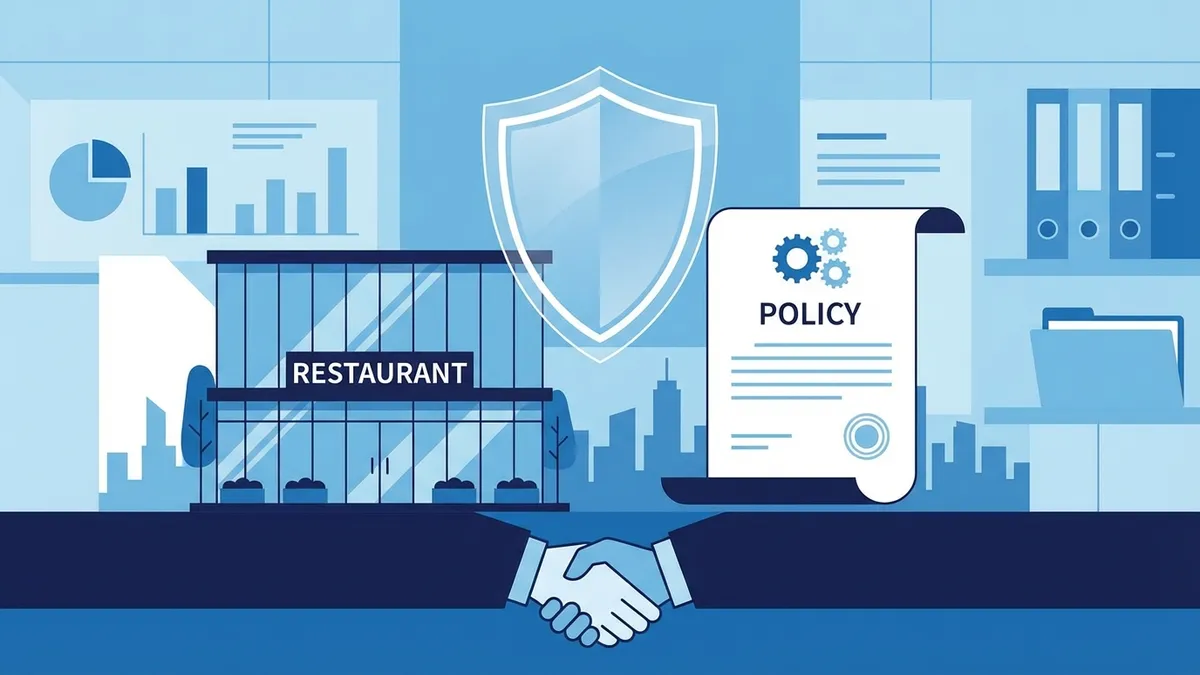
Running a restaurant comes with unique risks that can threaten your business's financial stability. From slip-and-fall accidents to foodborne illness claims, restaurants face daily liability exposures that could result in costly lawsuits. General liability insurance serves as your first line of defense against these risks, protecting your business assets and reputation.
This comprehensive guide examines the best general liability insurance providers for restaurants in 2026, helping you make an informed decision that protects your business without breaking your budget.
Table of Contents
- What is General Liability Insurance for Restaurants?
- Why Restaurants Need General Liability Insurance
- Best General Liability Insurance Companies for Restaurants
- How Much Does Restaurant General Liability Insurance Cost?
- What Does Restaurant General Liability Insurance Cover?
- How to Choose the Right Policy
- How to Get Restaurant General Liability Insurance
- FAQ Section
What is General Liability Insurance for Restaurants?
General liability insurance for restaurants is a specialized business insurance policy that protects food service establishments from third-party claims of bodily injury, property damage, and personal injury. Unlike standard business general liability, restaurant policies are specifically designed to address the unique risks inherent in the food service industry.
This coverage acts as a financial safety net when customers, vendors, or other third parties suffer injuries or property damage that they claim resulted from your restaurant operations. The insurance company handles legal defense costs and pays covered settlements or judgments up to your policy limits.
Key Components of Restaurant General Liability Coverage
Restaurant general liability policies typically include three main coverage areas:
Bodily Injury Coverage: Protects against claims when someone suffers physical harm on your property or from your operations. This includes slip-and-fall accidents, food poisoning incidents, and injuries from equipment or furnishings.
Property Damage Coverage: Covers damage to third-party property caused by your business operations. For example, if your catering delivery damages a client's building or a grease fire spreads to neighboring businesses.
Personal and Advertising Injury Coverage: Protects against claims of libel, slander, copyright infringement, or false advertising in your marketing materials or business communications.
Why Restaurants Need General Liability Insurance
The restaurant industry faces higher liability risks than many other businesses due to several factors that create potential hazards for customers, employees, and the general public.
High-Risk Environment
Restaurants operate in inherently risky environments with wet floors, hot surfaces, sharp objects, and heavy foot traffic. These conditions create numerous opportunities for accidents that could result in liability claims. According to the National Floor Safety Institute, restaurants experience slip-and-fall accidents at rates significantly higher than other retail establishments.
Food Safety Liability
Foodborne illness claims represent one of the most serious liability exposures for restaurants. Even with proper food safety protocols, restaurants can face claims alleging food poisoning, allergic reactions, or contamination. These cases often involve multiple plaintiffs and can result in substantial settlements.
Legal Requirements
Many jurisdictions require restaurants to carry general liability insurance as a condition of obtaining business licenses or permits. Additionally, landlords, lenders, and vendors often mandate specific coverage amounts before entering into contracts with restaurant businesses.
Financial Protection
Without adequate insurance, a single liability claim could devastate a restaurant's finances. Legal defense costs alone can reach tens of thousands of dollars, while settlements or judgments can easily exceed $100,000 for serious injury cases.
Best General Liability Insurance Companies for Restaurants
Based on coverage options, financial strength, customer service, and industry expertise, here are the top general liability insurance providers for restaurants in 2026:
1. The Hartford
Best For: Established restaurants seeking comprehensive coverage
The Hartford offers specialized restaurant insurance packages through their business insurance division. Their general liability policies include food contamination coverage and liquor liability options, making them ideal for full-service restaurants.
Key Features:
- $1-5 million coverage limits available
- Food contamination and tampering coverage included
- 24/7 claims reporting
- Risk management resources
- A+ AM Best rating
Average Annual Cost: $1,200-$3,500 for small to medium restaurants
2. Travelers Insurance
Best For: Multi-location restaurant chains
Travelers provides robust general liability coverage with excellent claims handling and risk management services. Their restaurant program includes specialized coverage enhancements for food service operations.
Key Features:
- Flexible coverage limits up to $10 million
- Product recall expense coverage
- Employment practices liability add-on available
- A++ AM Best rating
- Dedicated restaurant underwriting team
Average Annual Cost: $1,500-$4,000 for independent restaurants
3. Liberty Mutual
Best For: Restaurants needing customizable coverage
Liberty Mutual's restaurant insurance program offers highly customizable general liability policies that can be tailored to specific operational needs and risk profiles.
Key Features:
- Modular coverage options
- Food contamination coverage up to $100,000
- Crisis management services
- A AM Best rating
- Online policy management tools
Average Annual Cost: $1,100-$3,200 for typical restaurant operations
4. Progressive Commercial
Best For: Small restaurants and food trucks
Progressive offers competitively priced general liability insurance with streamlined application processes, making them ideal for smaller restaurant operations and mobile food services.
Key Features:
- Quick online quotes and binding
- Coverage limits from $1-2 million
- Food contamination coverage included
- A+ AM Best rating
- 24/7 customer service
Average Annual Cost: $800-$2,500 for small restaurants and food trucks
5. Nationwide
Best For: Restaurants seeking local agent support
Nationwide provides restaurant general liability insurance through their extensive agent network, offering personalized service and local market expertise.
Key Features:
- Local agent support
- Flexible payment options
- Risk management consultation
- A+ AM Best rating
- Claims advocacy services
Average Annual Cost: $1,000-$3,000 for most restaurant types
How Much Does Restaurant General Liability Insurance Cost?
Restaurant general liability insurance costs vary significantly based on numerous factors including location, size, cuisine type, and coverage limits. Understanding these cost drivers helps restaurant owners budget appropriately and identify potential savings opportunities.
Average Cost Ranges by Restaurant Type
Quick Service Restaurants (QSR): $800-$2,500 annually
- Lower risk profile due to limited service
- Minimal alcohol service reduces liability exposure
- High customer turnover but shorter visit duration
Casual Dining: $1,200-$4,000 annually
- Moderate risk from full table service
- Potential liquor liability increases costs
- Longer customer visits increase exposure time
Fine Dining: $2,000-$6,000 annually
- Higher risk from elaborate food preparation
- Increased liability from alcohol service
- Premium location often means higher claim costs
Bars and Nightclubs: $3,000-$8,000 annually
- Highest risk category due to alcohol service
- Late-night operations increase liability exposure
- Entertainment activities add complexity
Factors Affecting Premium Costs
Location: Urban locations typically cost 20-50% more than rural areas due to higher claim frequencies and settlement amounts. Coastal areas and major metropolitan markets command premium pricing.
Revenue and Size: Larger restaurants with higher annual revenues face increased premiums, as claim potential typically correlates with business size and customer volume.
Claims History: Restaurants with prior liability claims may face surcharges of 15-30% on renewal premiums. Conversely, claims-free operations often qualify for experience discounts.
Coverage Limits: Increasing coverage from $1 million to $2 million typically adds 40-60% to premiums, while umbrella policies can provide additional protection cost-effectively.
Risk Management Practices: Restaurants demonstrating strong safety protocols, employee training programs, and maintenance procedures may qualify for premium discounts of 5-15%.
Ways to Reduce Insurance Costs
Implementing effective cost management strategies can help restaurants minimize their insurance expenses while maintaining adequate protection:
Bundle Policies: Purchasing multiple coverage types from the same insurer often results in package discounts of 10-25%.
Increase Deductibles: Raising deductibles from $500 to $2,500 can reduce premiums by 15-30%, though this increases out-of-pocket costs for claims.
Safety Programs: Documented employee training, safety procedures, and regular maintenance programs can earn significant premium credits.
Claims Management: Prompt reporting and proactive claims management help minimize settlement costs and preserve good standing with insurers.
What Does Restaurant General Liability Insurance Cover?
Understanding the specific protections provided by general liability insurance helps restaurant owners assess whether their coverage adequately addresses their risk exposures.
Covered Incidents and Scenarios
Customer Injuries: Slip-and-fall accidents on wet floors, cuts from broken dishes, burns from hot food or beverages, and injuries from defective furniture or equipment.
Food-Related Claims: Allegations of food poisoning, allergic reactions to undisclosed ingredients, foreign objects in food, and contamination incidents affecting multiple customers.
Property Damage: Damage to customer property from food spills, grease fires spreading to adjacent businesses, and catering operations causing damage at off-site venues.
Product Liability: Claims arising from take-out food, catered events, and retail sales of packaged goods or branded merchandise.
Personal Injury Claims: Defamation lawsuits, privacy violations, false advertising claims, and copyright infringement allegations related to marketing materials.
Coverage Exclusions and Limitations
While restaurant general liability insurance provides broad protection, certain exposures require separate coverage:
Employee Injuries: Workers' compensation insurance covers employee injuries, not general liability policies.
Professional Services: Nutritional consulting, cooking classes, and dietary advice typically require professional liability coverage.
Cyber Liability: Data breaches, payment card compromises, and cyber attacks need specialized cyber liability insurance.
Business Interruption: Lost income from covered property damage requires separate business interruption coverage.
Intentional Acts: Deliberate wrongdoing by owners or employees is excluded from coverage.
Policy Limits and Structure
Restaurant general liability policies are structured with per-occurrence and aggregate limits that define the maximum coverage available:
Per-Occurrence Limit: The maximum amount payable for any single claim or incident, typically ranging from $300,000 to $2 million.
General Aggregate Limit: The total amount payable for all covered claims during the policy period, usually twice the per-occurrence limit.
Products-Completed Operations Aggregate: Separate limit for food-related claims, often matching the general aggregate limit.
Medical Expense Coverage: Immediate medical payment coverage for injured parties, typically $5,000 to $25,000 per person without regard to fault.
How to Choose the Right Policy
Selecting appropriate general liability coverage requires careful evaluation of your restaurant's specific risks, financial capacity, and operational characteristics.
Assessing Your Risk Profile
Operational Factors: Consider your service style, hours of operation, alcohol service, delivery operations, catering activities, and special events hosting.
Physical Environment: Evaluate building age and condition, parking arrangements, outdoor seating areas, and proximity to other businesses.
Customer Demographics: Analyze typical customer age groups, visit duration, and behavioral patterns that might influence liability exposure.
Geographic Considerations: Assess local litigation trends, jury verdict patterns, and regulatory requirements that might affect coverage needs.
Determining Appropriate Coverage Limits
Minimum Requirements: Start with jurisdictional minimums and contractual requirements from landlords, lenders, or vendors.
Asset Protection: Ensure coverage limits exceed your total business and personal assets that could be at risk in a liability judgment.
Industry Standards: Compare your coverage to typical limits carried by similar restaurants in your market.
Cost-Benefit Analysis: Balance increased premium costs against additional protection provided by higher limits.
Evaluating Insurance Providers
Financial Strength: Choose insurers with AM Best ratings of A- or better to ensure claims-paying ability.
Industry Experience: Seek providers with specialized restaurant programs and demonstrated expertise in food service risks.
Claims Handling: Research insurer reputation for fair and prompt claims settlement through industry publications and peer recommendations.
Service Quality: Evaluate responsiveness, communication quality, and availability of risk management resources.
How to Get Restaurant General Liability Insurance
The insurance purchasing process involves several steps that ensure you obtain appropriate coverage at competitive pricing.
Preparation Steps
Gather Required Information: Compile business details including entity type, years in operation, annual revenue, employee count, and operational characteristics.
Document Safety Measures: Prepare information about employee training programs, safety procedures, maintenance schedules, and any relevant certifications.
Review Existing Coverage: Assess current insurance policies to identify gaps and avoid duplications in coverage.
Set Budget Parameters: Establish realistic budget ranges based on your financial capacity and risk tolerance.
Shopping and Comparison Process
Obtain Multiple Quotes: Request proposals from at least three qualified insurers to ensure competitive pricing and coverage options.
Compare Beyond Price: Evaluate coverage terms, policy limits, deductibles, and exclusions rather than focusing solely on premium costs.
Review Sample Policies: Request specimen policies to understand coverage language and identify potential gaps or limitations.
Verify Licensing: Confirm that agents and insurers are properly licensed in your jurisdiction and authorized to write business insurance.
Application and Underwriting
Complete Applications Accurately: Provide truthful and complete information to avoid coverage disputes and potential policy cancellation.
Respond to Underwriter Requests: Supply additional information, documentation, or property inspections as requested promptly.
Review Policy Documents: Carefully examine the final policy to ensure it matches your coverage expectations and quoted terms.
Maintain Continuous Coverage: Arrange effective dates to avoid coverage gaps that could leave you exposed to uninsured losses.
FAQ Section
How much general liability insurance do restaurants typically need?
Most restaurants carry $1-2 million per occurrence limits with $2-4 million aggregate limits. Higher-risk operations like bars or fine dining establishments often choose $2-5 million limits. The optimal amount depends on your assets, revenue, and contractual requirements from landlords or lenders.
Does general liability insurance cover food poisoning claims?
Yes, restaurant general liability policies typically include coverage for food contamination and poisoning claims. However, coverage may be subject to sub-limits (often $100,000-$300,000) and specific conditions. Some insurers offer enhanced food contamination coverage for additional premium.
Is liquor liability included in general liability coverage?
Basic general liability policies usually exclude or severely limit liquor liability coverage. Restaurants serving alcohol need separate liquor liability insurance or endorsements to their general liability policy. This coverage protects against claims arising from serving alcohol to intoxicated or underage patrons.
Can I get general liability insurance for a food truck?
Yes, many insurers offer general liability coverage specifically designed for mobile food vendors and food trucks. These policies often include coverage for temporary locations and may offer more flexible terms than traditional restaurant policies. Costs typically range from $500-$2,000 annually.
What happens if I operate without general liability insurance?
Operating without coverage exposes you to unlimited personal liability for business-related claims. You'll be responsible for legal defense costs and any settlements or judgments. Many jurisdictions require liability insurance for business licenses, and violations can result in fines or license suspension.
How often should I review my general liability coverage?
Review your coverage annually or whenever you make significant business changes such as expansion, menu modifications, adding alcohol service, or starting catering operations. Regular reviews ensure your coverage keeps pace with your evolving risk profile and changing business needs.
Does general liability cover employee injuries?
No, general liability insurance specifically excludes employee injuries, which are covered by workers' compensation insurance. This separation ensures appropriate coverage for workplace injuries while maintaining clear distinctions between employee and third-party claims.
Conclusion
General liability insurance represents essential protection for restaurant businesses facing daily liability exposures from customer interactions, food service operations, and property-related risks. The investment in quality coverage pays dividends when claims arise, protecting both business assets and personal wealth from potentially devastating financial losses.
Choosing the right provider requires balancing coverage adequacy with cost considerations while ensuring you work with financially stable insurers experienced in restaurant risks. The companies highlighted in this guide offer proven track records in restaurant insurance and provide the coverage options most food service businesses need.
Remember that insurance needs evolve with your business, making regular coverage reviews essential for maintaining appropriate protection. By understanding your risks, comparing options carefully, and working with qualified insurance professionals, you can secure the general liability coverage that protects your restaurant's future success.
Take the time to request quotes from multiple providers, ask detailed questions about coverage terms, and ensure you understand exactly what protection your policy provides. Your restaurant's financial security depends on making informed insurance decisions that address your specific operational risks and business objectives.