Semrush turns competitor traffic swings into actionable alerts for search and market teams
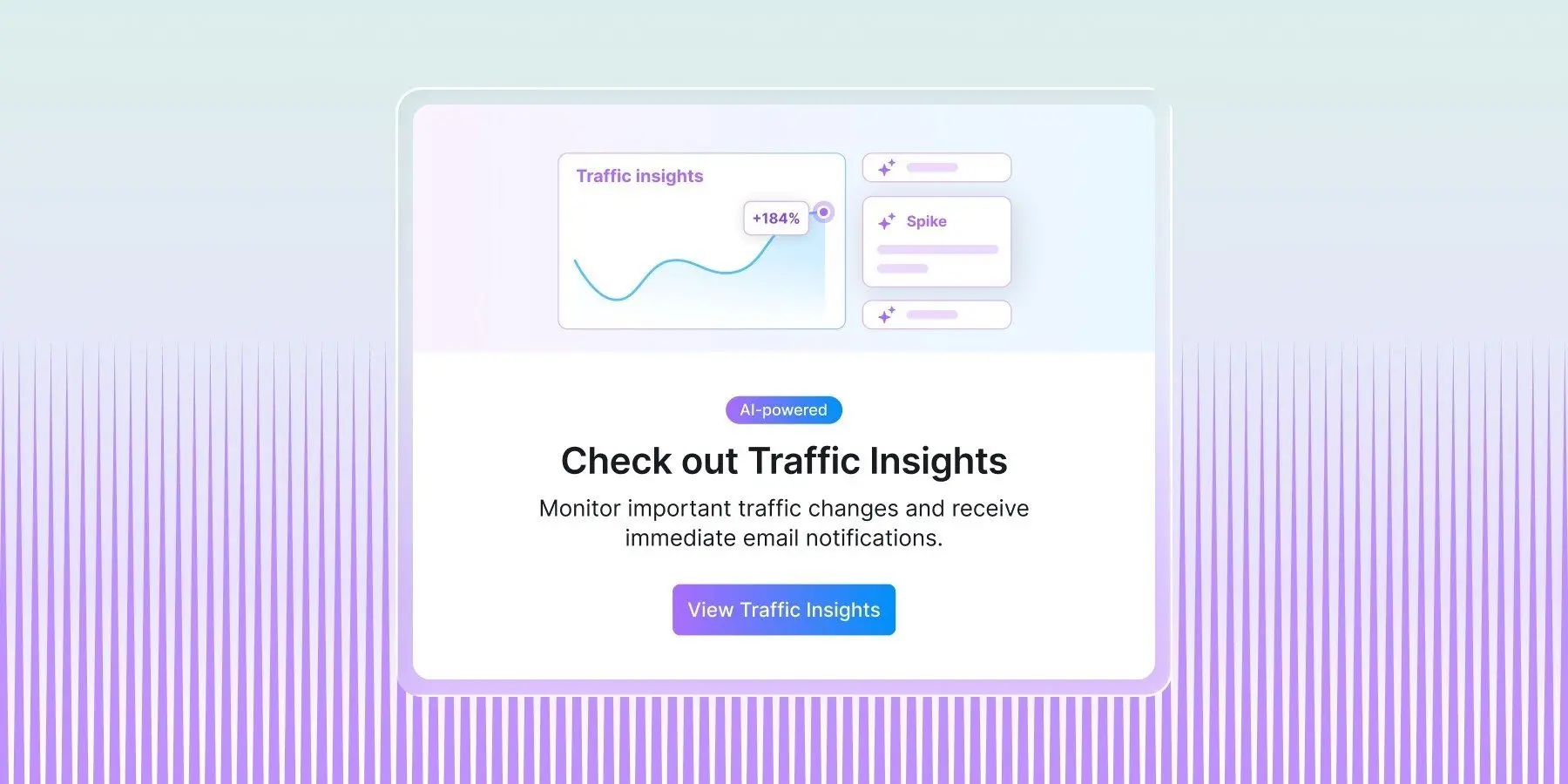
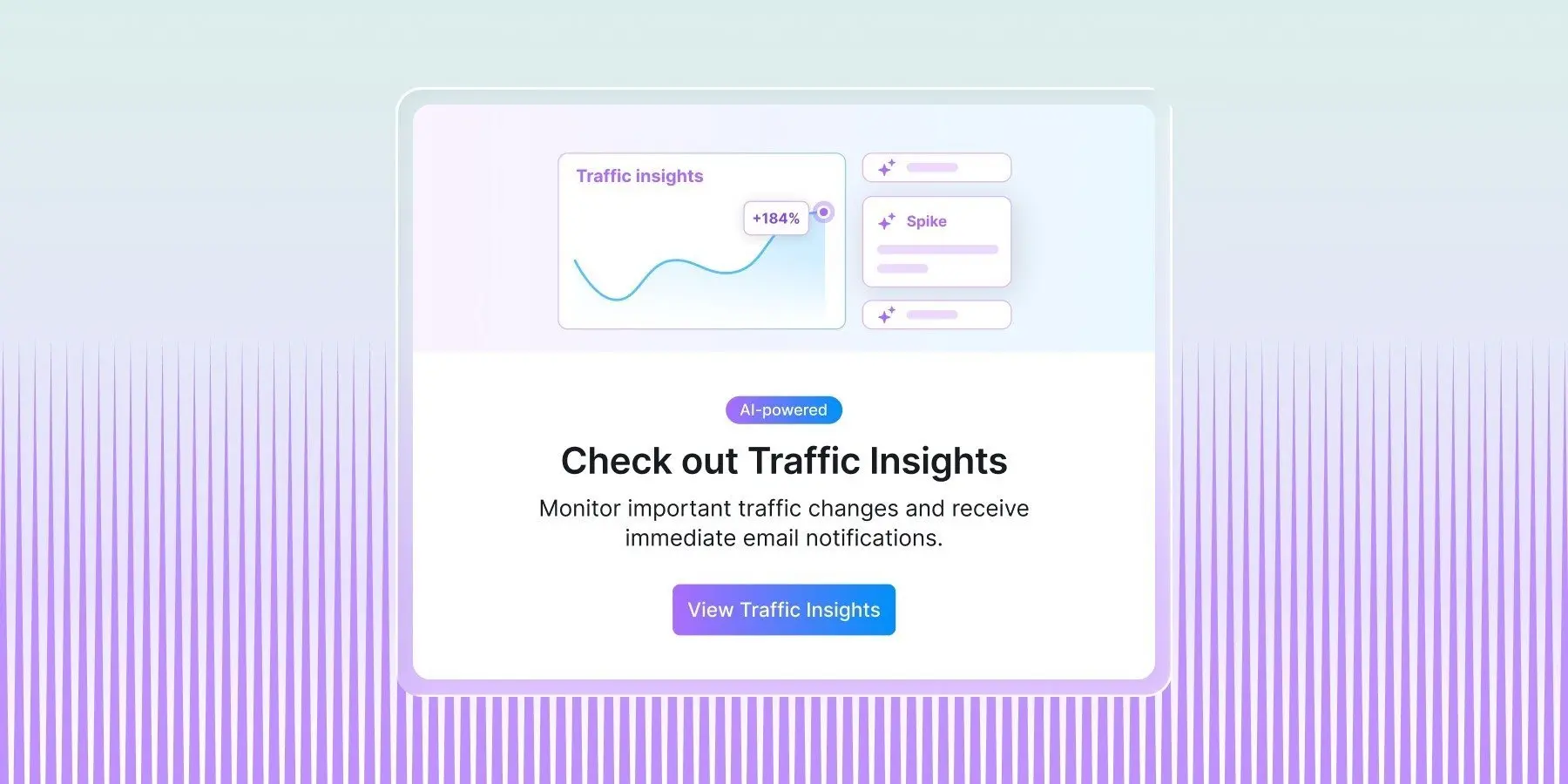
Semrush said on June 11, 2026 that its new Traffic Insights feature is now live inside Traffic Analytics. The release matters because it changes the job from simply noticing that a competitor's traffic moved to getting an AI-assisted explanation of what likely caused the shift. According to Semrush, the feature highlights spikes and drops directly in the traffic graphs, adds automated email alerts, and points teams toward likely causes such as seasonality, traffic-channel changes, regional movements, and demand signals.
For marketers, agencies, and competitive intelligence teams in the United States, Canada, the United Kingdom, Australia, and Europe, that is a practical workflow update rather than a vague AI promise. Competitive traffic monitoring is only useful when a team can separate noise from something that deserves a response. Semrush is trying to shorten that loop from "we saw movement" to "we know where to investigate next."
What changed
| Confirmed June 11, 2026 update | Primary source | Why it matters |
|---|---|---|
| Traffic Insights launched inside Traffic Analytics in the Traffic & Market Toolkit. | Semrush product news, June 11, 2026 | Teams no longer need a separate workflow just to move from traffic monitoring into explanation mode. |
| The feature flags significant spikes and drops directly in traffic graphs. | Semrush product news, June 11, 2026 | Operators can focus on anomalies that may actually change budget, content, or competitive response. |
| Semrush says AI-powered explanations and automated email alerts are built in. | Semrush product news, June 11, 2026 | The feature is meant to reduce manual triage and shorten reaction time. |
| Semrush says likely drivers include seasonality, channel shifts, regional changes, and demand signals. | Semrush product news, June 11, 2026 | Teams get a starting hypothesis instead of only a chart that moved. |
| Traffic Insights is included in the Traffic & Market subscription and is available now. | Semrush product news, June 11, 2026 | This is a usable product release, not only an early roadmap teaser. |
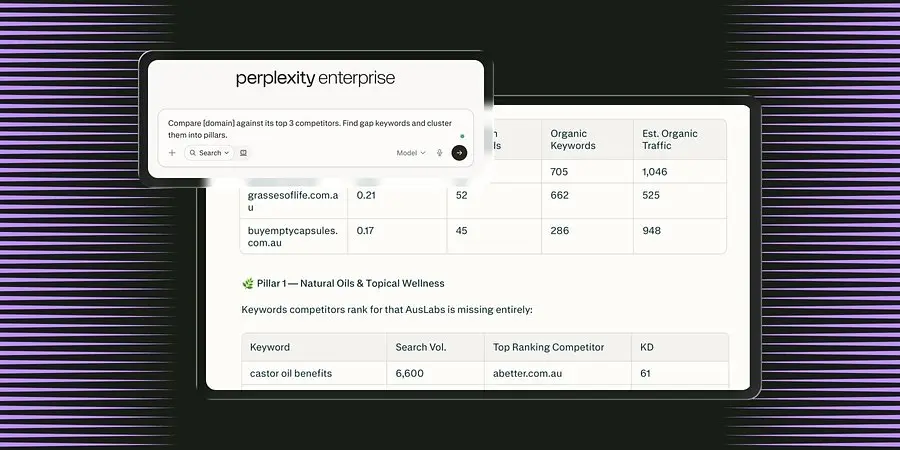
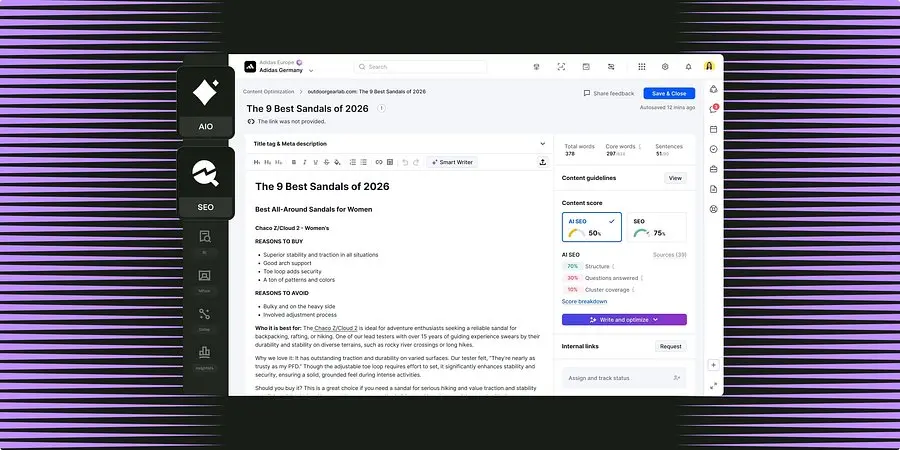
The timing also fits a broader Semrush push. On June 3, 2026, Semrush announced an MCP connector for Perplexity, and on May 27, 2026 it said Enterprise users can now work across SEO and AI search optimization in one content workflow. Read together with the AI Visibility Index, the pattern is clear: Semrush wants search, market, and AI-discovery work to feel like one operating system instead of separate dashboards.
Why it matters
The biggest value here is prioritization. Most growth teams already have more competitor data than they can act on. What they usually lack is a reliable way to know whether a rival's traffic spike is a serious demand move, a regional push, a channel mix change, or a temporary seasonal event. By placing an explanation layer next to the traffic graph, Semrush is trying to reduce the cost of interpretation.
That matters most for teams that support active budget decisions. A paid search lead may want to know whether a competitor's surge came from branded demand or a broader market wave. A content team may want to know whether a drop suggests an SEO loss worth attacking. An agency may need a fast answer before a client asks why a competitor suddenly looks stronger. Traffic Insights will not replace deeper analysis, but it can change which questions get investigated first.
It also fits the current shift from passive reporting toward decision support. Semrush's AI Visibility Index already frames discovery as a live measurement problem across AI surfaces, while the June 11 release turns competitive traffic change into an explainable alerting problem. For teams already using Slogan's GEO Visibility Checklist, AI search analytics guide, or brand mention tracking framework, the implication is simple: traffic monitoring now needs to sit closer to visibility, messaging, and competitive response.
Who is affected
The closest-to-the-change teams are the ones already responsible for explaining market movement in near real time.
- Search and SEO teams tracking competitor share shifts across categories and regions.
- Paid media and growth teams deciding whether a traffic spike deserves a defensive or opportunistic response.
- Agencies that need earlier warnings and cleaner narratives for client reporting.
- Competitive intelligence and market research teams watching demand changes before they show up in revenue reviews.
- Leadership teams that want earlier signal on competitor momentum without waiting for a quarterly summary.
What to do next
- Pick one direct competitor set and define which traffic moves would actually trigger action: budget shifts, content updates, sales enablement, or executive briefings.
- Turn on alerting only for categories and markets your team can realistically respond to, so analysts do not drown in low-value notifications.
- When a spike appears, validate the AI explanation against your own search, content, and paid data before changing spend.
- Pair traffic alerts with your internal visibility workflow using the GEO Visibility Checklist and the Marketing ROI Calculator so reactions stay tied to business impact.
- Use one recurring review to compare competitor traffic changes with source visibility, campaign launches, and regional activity instead of reviewing those systems in isolation.
This is where the release becomes useful. The operational win is not more alerts. It is faster triage, better sequencing, and fewer wasted meetings around unexplained movement.
What remains uncertain
The release still leaves gaps. Semrush says Traffic Insights points to likely drivers, but it does not claim that every alert is a definitive diagnosis. Teams should treat the explanation as a strong first hypothesis, not a replacement for channel-by-channel validation. The public announcement also does not spell out how granular the reasoning becomes across every geography, vertical, or traffic source.
There is also a workflow question. Faster alerts are only valuable if the receiving team has clear ownership. Without a defined response process, AI explanations can still become one more stream of interesting signals that nobody turns into decisions.
The useful takeaway on June 12, 2026 is narrower than the headline. Semrush is trying to make competitor traffic monitoring more operational by combining detection, explanation, and alerts in one place. Teams that already know how they want to react will benefit first. Teams that still treat competitor traffic as a passive report probably will not.