How to Start a Pet Grooming Business from Home
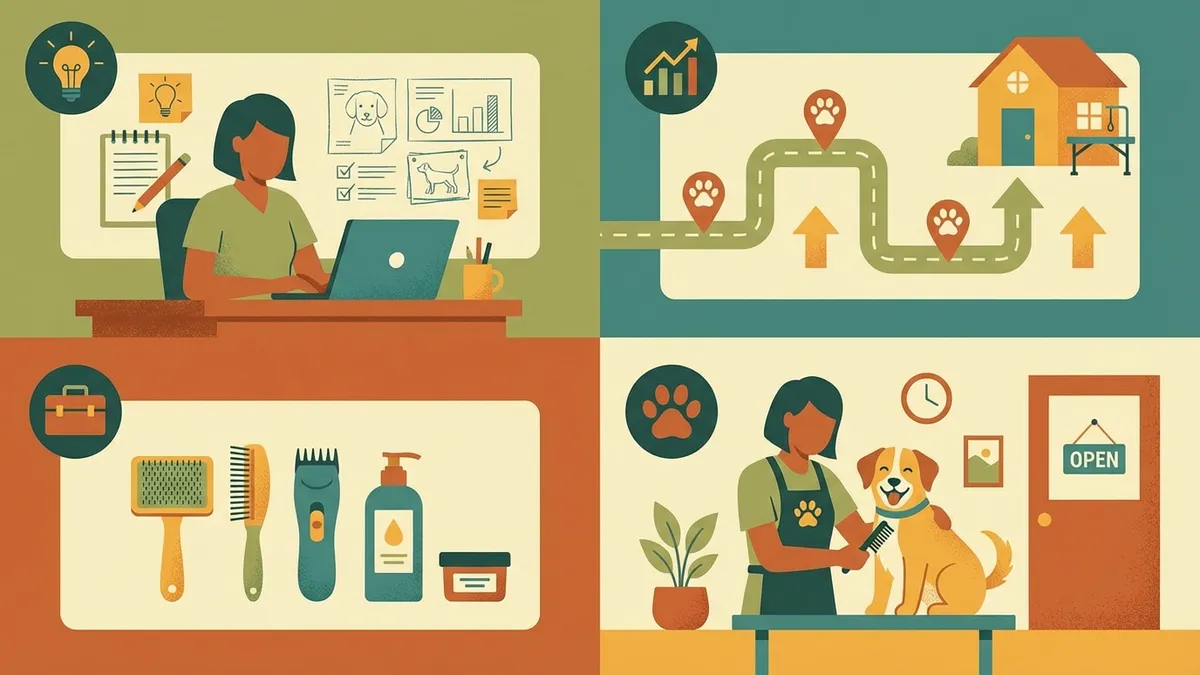
Americans spend over $13 billion on pet grooming and boarding annually, and that number grows every year. Pet owners increasingly treat their animals like family members — and family members deserve quality grooming. The demand for skilled pet groomers consistently outpaces supply.
Starting a home-based pet grooming business keeps your overhead low while tapping into this growing market. No commercial lease, no long commute, and you set your own schedule. With startup costs between $5,000 and $15,000, it's one of the more accessible pet industry businesses to launch.
Do You Need Certification or Licensing?
The Short Answer
No state requires a license specifically for pet grooming. However, there are other requirements:
What You Actually Need
- Business license — Required in most cities/counties ($25–$200)
- Home occupation permit — Required if you're operating a business from your residence ($25–$100)
- Zoning compliance — Your residential zone must allow home-based businesses (check with your city planning department)
- Sales tax permit — If your state taxes grooming services
- LLC registration — Recommended for liability protection ($50–$500)
Optional But Valuable Certifications
- National Dog Groomers Association of America (NDGAA) — Offers certification exams
- International Professional Groomers (IPG) — Provides certification levels
- American Kennel Club (AKC) Safety Program — First aid for pets
Certification isn't required, but it builds credibility and justifies higher prices. Certified groomers typically charge 15-25% more than uncertified ones.
Getting Trained
Training Options
| Method | Duration | Cost | Pros | Cons |
|---|---|---|---|---|
| Grooming school | 4–16 weeks | $3,000–$8,000 | Structured, hands-on, comprehensive | Expensive, may require relocation |
| Apprenticeship | 3–12 months | Free or low wage | Real-world experience, mentorship | Finding a willing mentor can be hard |
| Online courses | Self-paced | $200–$1,500 | Flexible, affordable | No hands-on practice |
| Self-taught (YouTube + practice) | Ongoing | Free | No cost | Steep learning curve, risk of injury |
Recommended Path
The most practical route for most people:
- Take an online fundamentals course ($200–$500) to learn breed cuts, safety, and handling
- Work part-time at an existing grooming salon for 3-6 months to get hands-on experience
- Practice on friends' and family's dogs before taking paying clients
- Get pet first aid certified ($30–$75 online course)
Essential Skills to Develop
- Breed-specific haircuts and styling
- Proper bathing and drying techniques
- Nail trimming (including dark nails)
- Ear cleaning and inspection
- Handling anxious, aggressive, or elderly dogs
- Recognizing skin conditions and parasites
- Scissor work and clipper technique
- De-matting (safely)
Setting Up Your Home Grooming Space
Dedicated Space Requirements
You need a dedicated room or converted garage — not your kitchen or bathroom. This is both a health code consideration and a practical one.
Minimum requirements:
- 100-150 square feet of dedicated space
- Water supply (hot and cold) with drainage
- Non-slip, waterproof flooring (vinyl, tile, or epoxy)
- Adequate ventilation (pet dander and chemical fumes)
- Electrical capacity for dryer and clippers
- Easy-to-clean walls and surfaces
- Separate entrance for clients (ideal but not required)
Garage Conversion
A garage is the most popular choice for home groomers. Basic conversion costs:
| Improvement | Cost |
|---|---|
| Plumbing (sink/tub installation) | $500–$2,000 |
| Flooring (waterproof vinyl or epoxy) | $300–$800 |
| Electrical (additional outlets, GFCI) | $200–$500 |
| Insulation and climate control | $500–$2,000 |
| Walls (FRP panels or moisture-resistant) | $200–$500 |
| Lighting (bright, even lighting) | $100–$300 |
| **Total Conversion** | **$1,800–$6,100** |
Equipment and Supplies
Essential Equipment
| Equipment | Cost | Notes |
|---|---|---|
| Grooming table (hydraulic) | $200–$500 | Hydraulic saves your back |
| Grooming tub (stainless steel) | $300–$800 | Elevated tub with ramp |
| High-velocity dryer | $200–$500 | Force dryer, not a cage dryer |
| Professional clippers | $150–$300 | Andis AGC2 or Wahl KM10 |
| Clipper blade set | $100–$300 | #3, #4, #5, #7, #10, #30, #40 |
| Scissor set | $100–$400 | Straight, curved, thinning shears |
| Nail grinder/clipper | $30–$60 | Dremel or guillotine-style |
| Combs and brushes | $50–$100 | Slicker, pin, undercoat rake, greyhound comb |
| Bathing supplies | $50–$100 | Shampoo, conditioner, ear cleaner, styptic powder |
| Aprons and smocks | $30–$50 | Waterproof grooming aprons |
| First aid kit | $25–$50 | Styptic powder, bandages, antiseptic |
| **Equipment Total** | **$1,235–$3,160** |
Total Startup Investment
| Category | Low | High |
|---|---|---|
| Training | $200 | $5,000 |
| Space conversion | $1,800 | $6,100 |
| Equipment & supplies | $1,235 | $3,160 |
| Business registration & insurance | $400 | $1,500 |
| Marketing | $200 | $500 |
| **Total** | **$3,835** | **$16,260** |
Pricing Your Grooming Services
Standard Pricing by Dog Size
| Service | Small Dog (<20 lbs) | Medium Dog (20-50 lbs) | Large Dog (50-80 lbs) | XL Dog (80+ lbs) |
|---|---|---|---|---|
| Bath & brush | $30–$45 | $40–$55 | $50–$70 | $65–$90 |
| Full groom (bath + haircut) | $45–$65 | $55–$80 | $70–$100 | $90–$130 |
| Puppy's first groom | $30–$40 | $35–$45 | $40–$55 | $45–$60 |
| De-matting (add-on) | $10–$25 | $15–$35 | $20–$50 | $30–$60 |
| Nail trim only | $10–$15 | $10–$15 | $15–$20 | $15–$20 |
| Teeth brushing (add-on) | $5–$10 | $5–$10 | $5–$10 | $5–$10 |
Pricing Factors
- Breed — Poodles and doodles take 2-3x longer than labs
- Coat condition — Matted coats require significantly more time
- Temperament — Aggressive or extremely anxious dogs warrant a surcharge ($10–$25)
- Frequency — Offer a 10-15% discount for clients who come every 4-6 weeks
How Many Dogs Per Day?
A solo home groomer can realistically handle 4-6 dogs per day, depending on sizes and breeds:
- Small dogs: 45 min – 1.5 hours each
- Medium dogs: 1 – 2 hours each
- Large dogs: 1.5 – 2.5 hours each
Building Your Client Base
Getting Your First Clients
- Start with people you know — Friends, family, neighbors. Offer introductory pricing.
- Google Business Profile — Free and essential. Add photos of your grooming space and your work.
- Social media — Before/after grooming photos are incredibly shareable. Post daily on Instagram and Facebook.
- Nextdoor — The best free platform for home-based businesses
- Local Facebook pet groups — Many communities have active pet owner groups
Growing Your Business
- Ask for reviews — After every groom, ask for a Google review. Reviews are the #1 driver of new clients.
- Referral program — $10 off their next groom for every new client they refer
- Partner with veterinarians — Drop off business cards and offer a professional discount for vet staff's personal pets
- Partner with pet stores — Leave cards at local pet supply shops
- Dog parks — Network with dog owners; bring business cards
- Holiday specials — Bandana add-ons, "spa day" packages, holiday-themed grooming
Retention Strategies
- Pre-book the next appointment before the client leaves
- Send reminder texts 3 days before scheduled appointments
- Remember pet names and preferences — personal touches build loyalty
- Loyalty cards — Every 10th groom free, or a free nail trim after 5 visits
- Birthday treats — Send a happy birthday message/treat for the pet
Safety and Best Practices
Handling Safety
- Never leave a dog unattended on a grooming table — falls cause serious injuries
- Use grooming loops — Secure but not restrictive
- Know when to stop — Extremely anxious or aggressive dogs may need a break or a vet-prescribed sedative
- Keep styptic powder nearby — For nick bleeding during nail trims
- Watch for overheating — Especially with brachycephalic breeds during drying
Sanitation
- Disinfect tools between every dog — Barbicide or similar disinfectant
- Clean and dry tub between dogs
- Wash grooming table and surfaces
- Launder towels daily
- Check every dog for fleas/ticks before grooming — Don't spread parasites between clients
Liability Protection
- Require signed consent forms — Including pre-existing conditions, matting acknowledgment, and behavior warnings
- Take photos before grooming — Document any existing injuries, mats, or skin conditions
- Keep vaccination records — Require proof of rabies vaccination at minimum
- General liability insurance — $30–$60/month protects you against injury and property damage claims
Income Potential
Solo Home Groomer
| Dogs Per Day | Avg Price | Days/Week | Monthly Revenue | Annual Revenue |
|---|---|---|---|---|
| 3 | $65 | 5 | $3,900 | $46,800 |
| 4 | $65 | 5 | $5,200 | $62,400 |
| 5 | $65 | 5 | $6,500 | $78,000 |
| 6 | $65 | 5 | $7,800 | $93,600 |
Monthly Expenses (Home-Based)
| Expense | Cost |
|---|---|
| Supplies (shampoo, blades, etc.) | $150–$300 |
| Insurance | $30–$60 |
| Software/scheduling | $0–$30 |
| Utilities (additional) | $50–$100 |
| Marketing | $50–$100 |
| Equipment maintenance | $25–$50 |
| **Total Monthly Expenses** | **$305–$640** |
After expenses, a full-time home groomer earning $5,200/month keeps approximately $4,500–$4,900/month ($54,000–$59,000/year) before taxes.
FAQ
Do I need to be certified to groom dogs professionally?
No state requires grooming certification. However, certification from organizations like NDGAA or IPG adds credibility, justifies higher pricing, and gives you structured education. It's not required but strongly recommended.
How long does it take to become a competent groomer?
Most groomers report feeling confident after 6-12 months of regular practice. You can start taking simple baths and brush-outs much sooner, but breed-specific scissor work and complex cuts take time to master. Start with easier breeds and work up to poodles and terriers.
Do I need separate plumbing in my grooming space?
Yes — you need a dedicated grooming tub or sink with hot and cold water and proper drainage. If your space doesn't have plumbing, installation typically costs $500–$2,000 depending on proximity to existing water lines.
What breeds should I avoid as a beginner?
Start with simpler breeds: labs, golden retrievers, beagles, and basic bath-and-brush breeds. Avoid poodles, bichons, and terrier breeds until you've developed confident scissor skills. Aggressive dogs and very elderly dogs also require more experience to handle safely.
Can I groom cats too?
Cat grooming is a separate skill set and carries higher bite/scratch risk. If you want to add cats, get specific training in cat handling and grooming. Many groomers specialize in either dogs or cats, not both. Cat grooming commands premium pricing ($60–$120) because fewer groomers offer it.
What about mobile pet grooming?
A mobile grooming van ($50,000–$100,000 for a fully equipped van) eliminates the need for a home setup and lets you go to clients. The startup cost is significantly higher, but mobile groomers can charge 20-30% more for the convenience. Many groomers start at home and transition to mobile after building a client base.