Canva brings on-brand design creation into ChatGPT and Codex
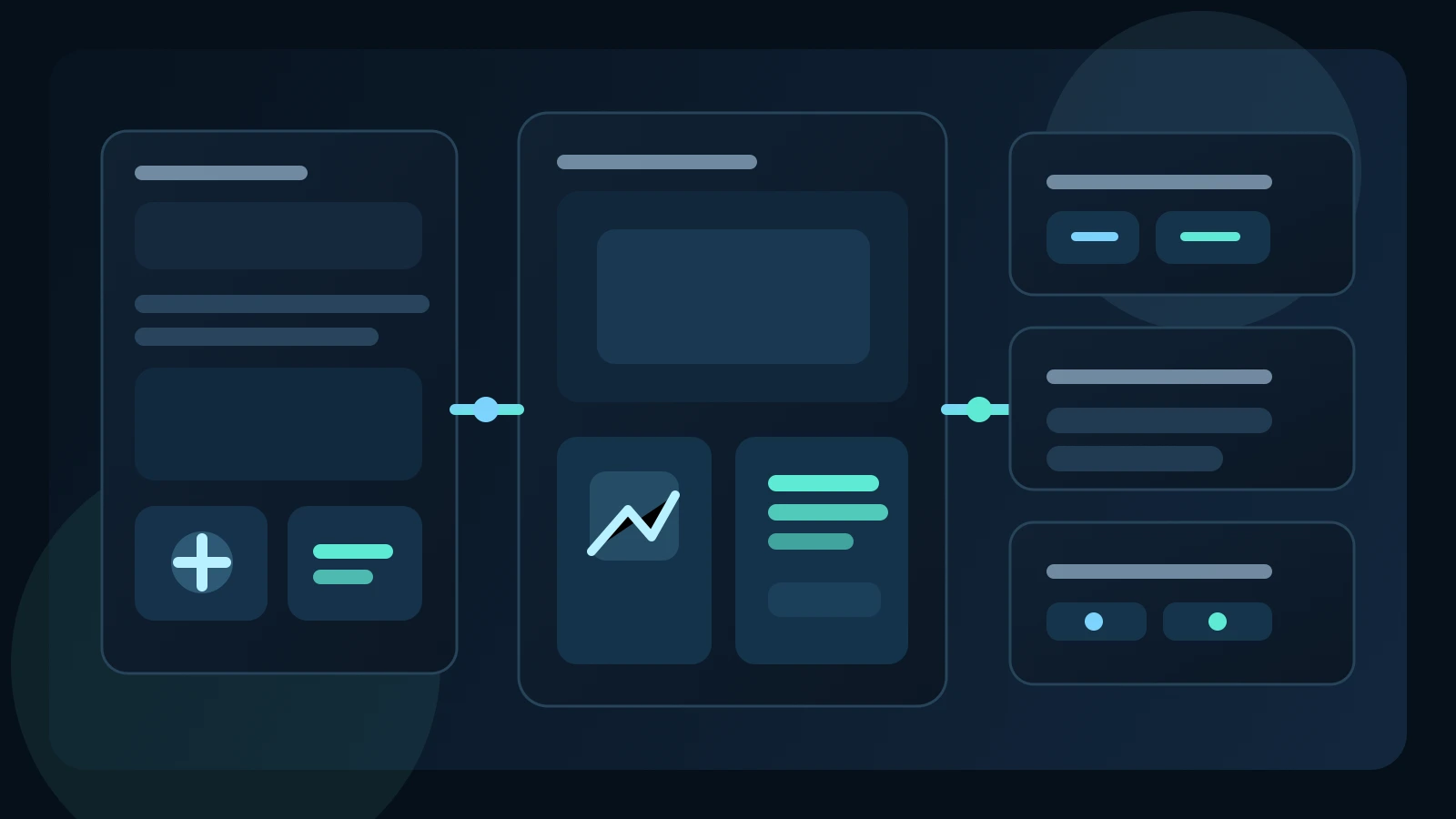
OpenAI said on June 2, 2026 that Codex is expanding beyond software engineering into repeatable work for analytics, creative, sales, and operations teams. As of June 9, 2026, Canva's official newsroom page says that expansion now includes a Canva plugin in Codex plus fuller design creation, editing, translation, and brand-kit support inside ChatGPT. For operators who already start campaign work in an AI assistant, that is a more practical shift than another generic "AI creativity" claim: briefing, asset drafting, and brand alignment are moving closer to one working surface.
The official Canva page says users can create and preview designs directly inside ChatGPT, edit text across entire decks by chat, search and summarize existing Canva content through deep research, and generate assets that stay tied to approved brand kits. It also says the Canva app in ChatGPT is rolling out to Free, Plus, and Pro users outside the EU.
What changed
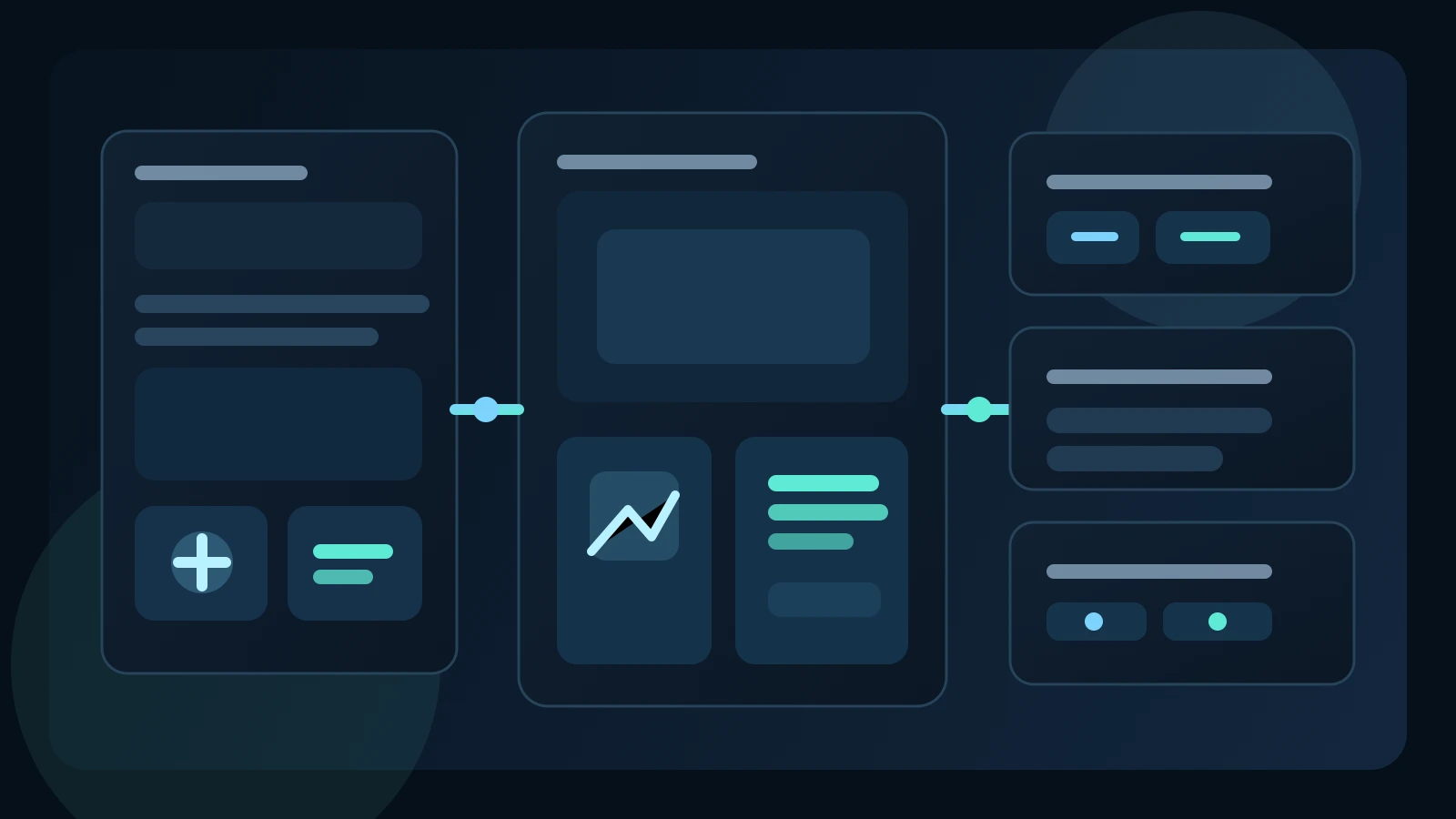
The strongest new operational detail is the Codex connection. Canva's official newsroom page says that, starting now, Canva is available as a plugin in Codex, letting users bring creative context into AI-powered design workflows and turn generated outputs into editable Canva designs. The same page says Canva expects projects created in Codex Sites to flow into Canva for later brand refinement.
The ChatGPT side is broader than a simple connector. Canva says ChatGPT users can generate new designs from prompts, preview them in a full-screen visual experience, edit text across existing designs, translate presentations into other languages while preserving layout, and apply Brand Kits from the start. The page also says users can type "Canva" in a prompt and let ChatGPT surface the app directly.
| Confirmed capability | Primary source | Why it matters |
|---|---|---|
| OpenAI positioned Codex as a work layer for creative, analytics, sales, and operations teams on June 2, 2026. | OpenAI Codex announcement | Design plugins now fit into a broader cross-functional AI operating model, not an isolated demo. |
| Canva says it is now available as a plugin in Codex. | Canva newsroom page | Creative context can stay inside the same workspace where teams plan and prototype work. |
| Canva says ChatGPT users can create, preview, edit, and translate designs directly in chat. | Canva newsroom page | Asset production moves closer to briefing, iteration, and approval instead of requiring a separate handoff. |
| Canva says Brand Kits can apply fonts, colors, and voice defaults inside ChatGPT. | Canva newsroom page | Teams can reduce off-brand first drafts and manual cleanup. |
| Canva says the ChatGPT app is rolling out to Free, Plus, and Pro users outside the EU. | Canva newsroom page | Availability is broader than enterprise-only access, but still geography-limited. |
One underappreciated detail is governance. Canva says content remains private and permissioned, with only owned assets surfaced and nothing shared or edited unless the user chooses to act.
Why it matters
This matters because marketing and creative operations often break at the point between insight and execution. A strategist may have the right positioning angle inside a chat, but the design team still has to recreate the context in slides, social posts, ad variants, or sales collateral. Canva is trying to compress that gap.
That is especially useful for smaller in-house teams, agencies, and founder-led operators serving the United States, Canada, the United Kingdom, Australia, and Europe. Those teams are usually blocked less by ideation than by context switching, fragmented approvals, and the cost of turning a rough brief into usable branded assets.
The integration also fits a wider workflow shift already visible across AI tooling: assistants are moving from answer boxes into execution surfaces. The real value is whether a team can move from research to editable output faster without losing brand control, compliance review, or measurement discipline. That is the same reason internal checks like Slogan.website's GEO Visibility Checklist, Marketing ROI Calculator, and Digital Marketing Budget Planner matter.
Who is affected
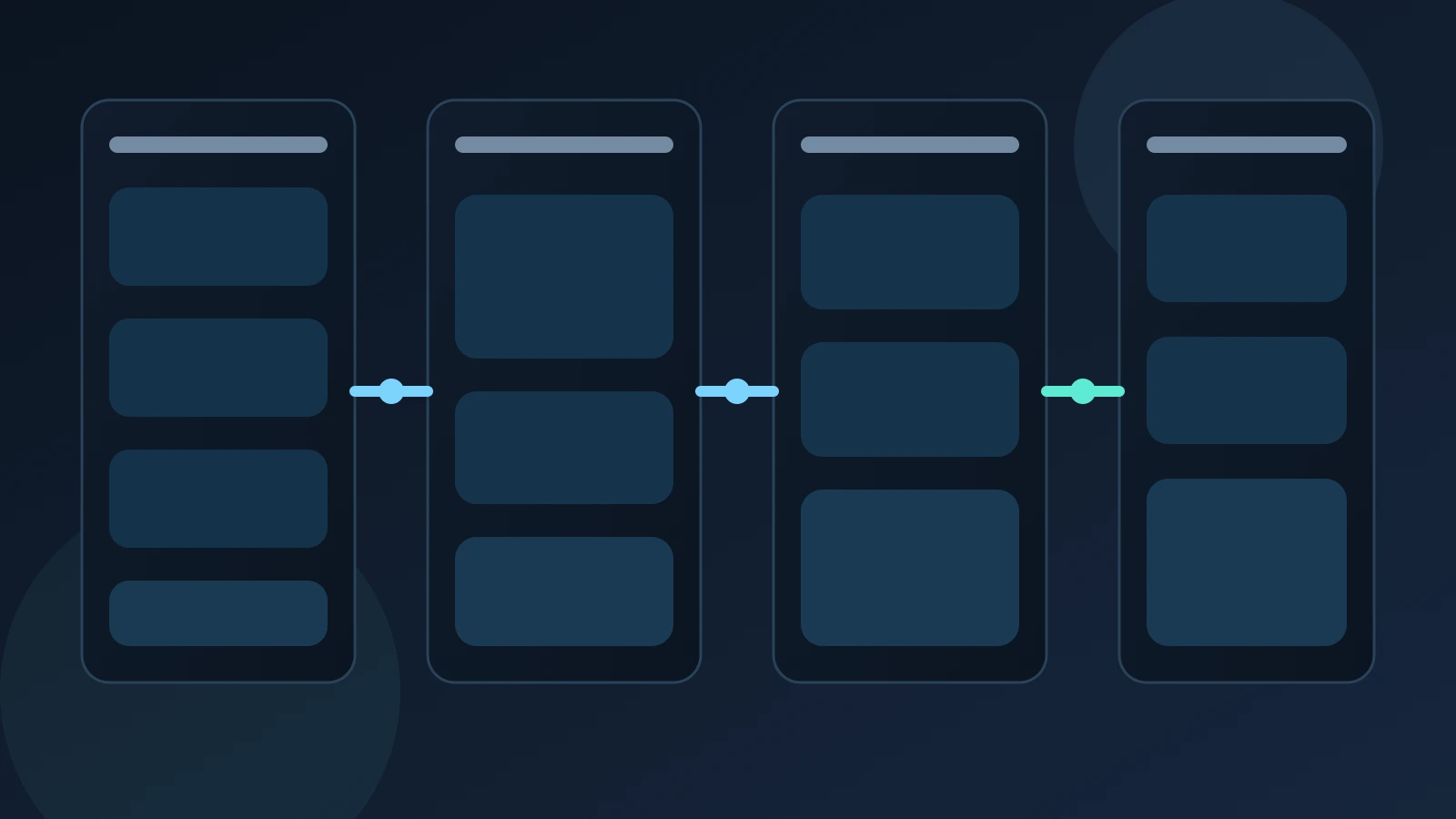
The first group is marketing teams that already use ChatGPT for campaign planning but still rebuild outputs manually in slides, social assets, or launch materials. The second is agencies and consultants who need faster multi-client production without drifting off-brand. The third is product and growth teams using Codex as a shared workspace where prototypes, decks, launch pages, and positioning assets increasingly overlap.
What to do next
- Pick one workflow first, such as campaign slides, paid social variants, or sales-deck updates, instead of trying to move every creative job into AI chat at once.
- Load approved brand inputs before testing: brand kit, tone rules, offer constraints, disclaimers, and localization requirements.
- Decide which work can be drafted by AI, which work needs human design review, and which work still needs legal or executive approval.
- Use the Marketing ROI Calculator and Digital Marketing Budget Planner to check whether faster production actually improves campaign efficiency.
- Pair the creative workflow with visibility checks, especially if the output supports landing pages, sales narratives, or AI-search-facing brand assets. The guide to tracking brand mentions and visibility is a good next step.
What remains uncertain
Important limits remain as of June 9, 2026. Canva's official page makes the workflow direction clear, but it does not publish universal benchmarks for time saved, creative performance lift, or error reduction. The same page also limits the ChatGPT rollout language to outside the EU, which means regional availability still needs checking.
There is also a difference between drafting and judgment. Brand kits can reduce inconsistency, but they do not decide whether a claim is strategically sound, compliant, or channel-appropriate. And while Canva says Codex projects will be able to move into Canva for refinement, the public materials still describe part of that flow as coming soon.
The practical conclusion is narrower than the hype. On June 9, 2026, the defensible story is that Canva has made ChatGPT and Codex more usable as real design-work surfaces for business teams. The winners will not be the teams that generate the most assets. They will be the teams that use this setup to shorten handoffs, preserve brand standards, and ship work that still clears review and measurement.