Salesforce buys Contentful to give Agentforce and Headless 360 a native content layer
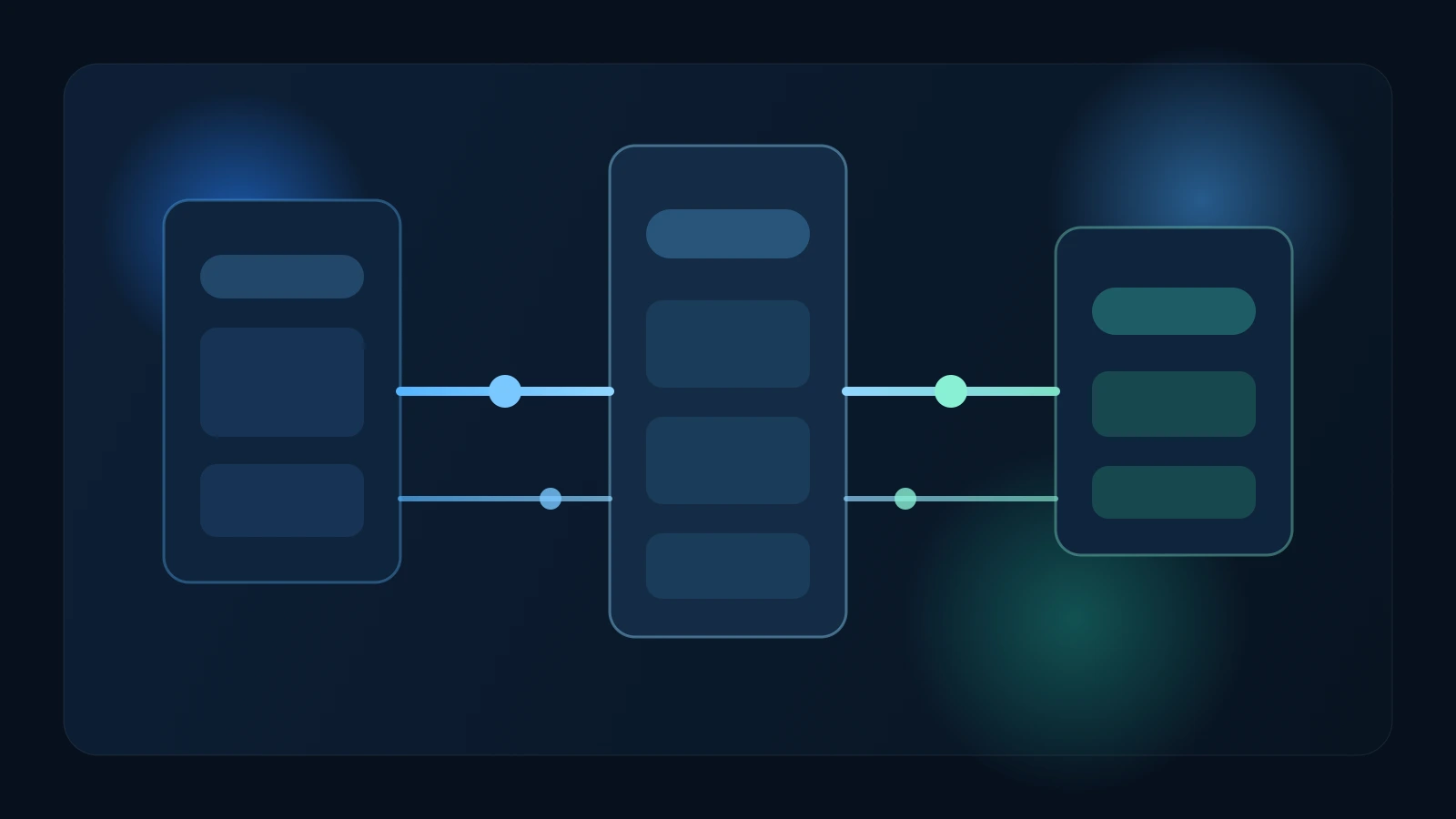
Salesforce said on June 1, 2026 that it has signed a definitive agreement to acquire Contentful, the composable content platform used by more than 4,800 brands. The immediate change is strategic, not cosmetic: Salesforce wants Headless 360, Data 360, and Agentforce to sit on top of a native structured content layer instead of relying on disconnected CMS and publishing systems.
For operators across the United States, Canada, the United Kingdom, Australia, and Europe, this is a practical marketing and digital experience story. AI agents can only personalize, summarize, and assemble trustworthy customer experiences if they can access governed content in a reusable format. Salesforce is saying Contentful gives it that missing layer, while Contentful said on June 1, 2026 that its API-first architecture is well suited to the "Agentic Web."
What changed
The official June 1 materials point to one core shift: content is being pulled closer to CRM data and agent execution.
| Confirmed detail | Official source | Why it matters |
|---|---|---|
| Salesforce signed a definitive agreement to acquire Contentful on June 1, 2026 | Salesforce announcement | Enterprise content infrastructure is now part of Salesforce's AI CRM roadmap, not a side integration story. |
| Salesforce says Contentful will enhance Headless 360 with a native enterprise-grade content layer | Salesforce announcement | Digital teams should expect more pressure to connect CMS architecture with personalization and agent workflows. |
| Salesforce says Agentforce will be able to query, assemble, and deliver content dynamically after the deal closes | Salesforce announcement | Static page publishing starts to look less central than governed content delivery by context, channel, and language. |
| Salesforce says the deal is expected to close in the third quarter of Salesforce fiscal year 2027, subject to regulatory approvals | Salesforce announcement | This is a real signed transaction, but not an immediate product rollout that teams can assume is live today. |
| Contentful says it now handles 180 billion API calls per month and has an ecosystem of more than 20,000 apps and integrations | Contentful founder post | Salesforce is buying scale, API maturity, and developer adoption, not only a CMS brand. |
Salesforce's official announcement says Contentful will become a native layer across Customer 360 while preserving the composability developers expect from a headless platform. The same post says this should let agents move from static, channel-specific content toward dynamic content orchestration across email, web, mobile, marketing, commerce, and sales.
Contentful's matching post from June 1, 2026 fills in why the fit matters. The company says it was built around structured content, API delivery, and decoupled presentation, and that those design choices are especially relevant now that AI agents need machine-readable content instead of isolated page templates. That is a stronger signal than a normal acquisition pitch because both companies are framing the deal around execution architecture.
Why it matters
This matters because many enterprise marketing stacks still separate content management from customer context and from AI execution. One team owns the CMS, another owns CRM data, another owns landing page production, and another experiments with AI copilots or site agents. That structure slows localization, approval, personalization, and reuse.
Salesforce is arguing that those boundaries are now too expensive. If Agentforce is expected to assemble answers, offers, or experiences in real time, then structured content becomes operating infrastructure. That connects directly to the same discipline behind Slogan.website's GEO Visibility Checklist, because AI systems, answer engines, and site agents all depend on clean source material they can interpret without guessing.
There is also a governance angle. Contentful said in its June 1 founder post that customer flexibility and enterprise-grade support remain priorities, while Salesforce said the combined system should reduce fragmentation that hurts brand consistency and time-to-market. For marketing leaders, that means the CMS conversation is shifting from "where do we publish pages?" to "how do we maintain reusable truth across channels, regions, and agent surfaces?"
Who is affected
The teams most affected are the ones already managing content complexity at scale.
- Enterprise marketing operations teams responsible for localization, approvals, and channel consistency.
- Web and digital experience teams running headless or composable architectures across several brands or markets.
- CRM and lifecycle teams that want offers, messages, and landing experiences to adapt from customer context instead of manual segmentation alone.
- Agencies and system integrators advising clients on whether AI-era personalization needs better content modeling before more automation.
- GEO and search visibility teams using resources like Generative Engine Optimization benefits and Brand mentions: how to track and measure visibility to improve how machines understand the brand before traffic even reaches the site.
What to do next
Use the June 1 announcement as a trigger for an architecture audit, not as a reason to promise instant ROI.
- Map where structured content currently breaks: duplicate fields, regional inconsistencies, hard-coded landing pages, or assets trapped in design files.
- Separate what needs to be reusable by channel, language, audience, or AI agent from what can stay page-specific.
- Audit whether your CRM, CMS, and experimentation stack can already share enough metadata to support dynamic assembly safely.
- Pressure-test the business case with the Marketing ROI Calculator and the Digital Marketing Budget Planner before expanding platform spend.
- Decide which journeys would benefit first from governed dynamic content: onboarding, product education, lead qualification, regional campaign pages, or help content.
- Set a content quality bar for AI visibility and owned-site answers so your source material is useful to humans, search systems, and agents at the same time.

What remains uncertain
Important unknowns remain on June 2, 2026. Salesforce said the transaction is expected to close in the third quarter of its fiscal year 2027 and still needs customary approvals, so buyers should not treat the architecture as fully merged yet. Product packaging, migration paths, data model alignment, and rollout sequencing across regions are not spelled out in the public announcement.
It is also not clear how much of the practical value will depend on Salesforce product adoption versus the quality of a company's existing content design. A weak content model stays weak even inside a larger platform. If teams do not have structured source material, clean taxonomies, and clear governance, adding more AI layers may only scale confusion faster.
The useful takeaway is narrower and more defensible. On June 1, 2026, Salesforce made content architecture a board-level AI experience topic by buying a mature composable platform instead of only extending prompts or copilots. For enterprise marketers and digital operators, that is the signal to treat content structure, machine readability, and reusable truth as growth infrastructure now, not later.