Semrush turns SEO and AI search optimization into one enterprise content workflow
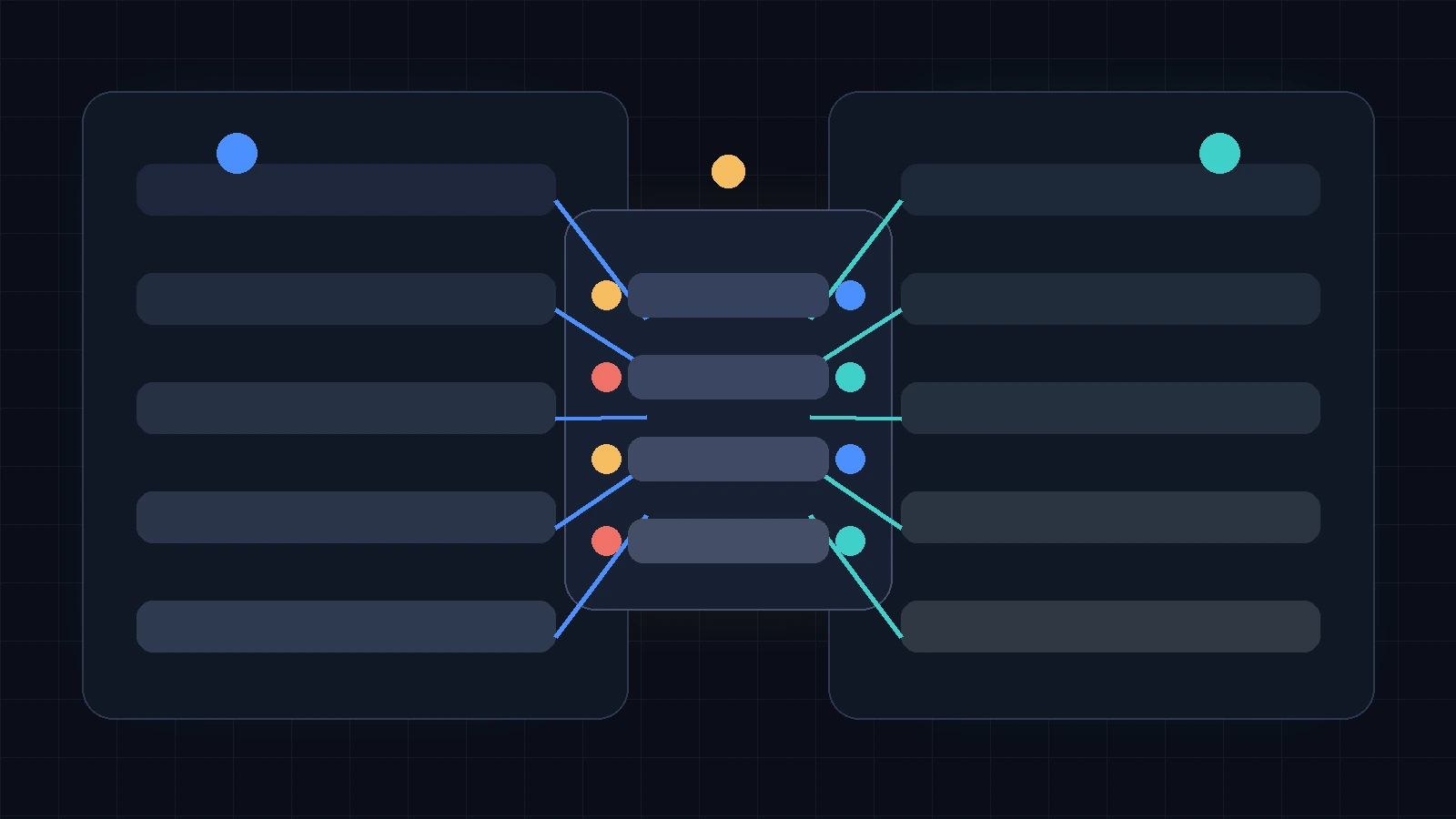
On May 27, 2026, Semrush said it is unifying content optimization across its Enterprise SEO and AI Optimization products. The practical change is not just another AI-search feature. Semrush is trying to turn one of the messiest operator problems in 2026 into a shared workflow: planning content once, scoring it across classic search and AI answers, and publishing with fewer handoffs between SEO, content, and broader marketing teams.
That announcement lands inside a wider Semrush product sequence. Its May 7, 2026 release added Reddit Analysis and Negative Sentiment Analysis inside Enterprise AI Optimization, while its March 31, 2026 update added crawler profiles for ChatGPT, Googlebot, and other bot contexts in Site Intelligence. Read together, those releases show Semrush moving from "measure AI visibility" toward a more complete operating stack for discovery, source analysis, technical readiness, and content production.
What changed
Semrush's May 27 release says teams can now access the same content briefs, recommendations, and optimization tools across Enterprise SEO and AI Optimization, regardless of where they start the workflow. The company also says teams can optimize content with data from both search rankings and AI responses, apply real-time scoring aligned to both channels, and keep content operations consistent across internal teams and external writers.
| Confirmed capability | Official source | Why it matters |
|---|---|---|
| Shared briefs, recommendations, and optimization tools now span Enterprise SEO and AIO | Semrush product news, May 27, 2026 | Teams can stop maintaining separate SEO and AI-search content checklists for the same page. |
| Real-time scoring now aligns to both search rankings and AI responses | Semrush product news, May 27, 2026 | Editors get one optimization pass with clearer tradeoffs before publication. |
| Reddit Analysis and Negative Sentiment Analysis were added to Enterprise AIO on May 7, 2026 | Semrush product news, May 7, 2026 | Brands can investigate which cited discussions and domains are shaping AI answers. |
| Crawler Profiles for ChatGPT, Googlebot, and Semrush's crawler launched on March 31, 2026 | Semrush product news, March 31, 2026 | Teams can test whether important URLs are actually reachable and interpretable by automated systems. |
| Semrush expanded its AI visibility database to 32 countries on May 14, 2026 | Semrush newsroom product index | International brands gain wider market coverage for AI-search monitoring, not only US-centric sampling. |
The bigger signal is operational. Semrush says only 22.5% of teams report complete integration of SEO and AI activities in the same May 27 release, which helps explain why this product change is aimed at workflow friction, not only analytics.
Why it matters
For enterprise marketing teams, the cost of fragmented visibility work is usually hidden in duplicated briefs, conflicting recommendations, slow approvals, and pages that rank well but do not travel well into AI answers. Semrush is explicitly positioning unified content optimization as a way to reduce that duplication. The company says teams can now "optimize once, for both search formats" inside one shared experience, rather than passing content through separate systems.
That matters most for operators working across the United States, Canada, the United Kingdom, Australia, and Europe, where one page often needs to satisfy global brand standards, local search intent, and rising pressure to show up in AI-driven discovery. The March 31 crawler-profile release is important here because content quality alone is not enough if key pages are blocked, misrendered, or inaccessible to the bots that increasingly shape discovery.
This also fits the practical GEO shift already visible across Slogan.website's own resources. Teams that care about AI discovery now need a system for content planning, source monitoring, and technical access checks, not just prompt experiments. That is why assets such as the GEO Visibility Checklist, brand mentions measurement guide, and best AI search analytics tools for marketing teams are becoming workflow tools rather than side reading.
Who is affected
The clearest fit is large in-house marketing organizations, enterprise SEO teams, and agencies managing content operations across multiple markets. But the impact extends further.
- SEO leads who need one content QA process that covers rankings and AI-answer visibility.
- Editorial and content teams that depend on shared briefs and fewer conflicting optimization requests.
- Digital strategy leaders responsible for brand consistency across search, AI, and regional markets.
- Technical SEO and web platform teams that need evidence about how ChatGPT-facing bots and search crawlers actually access key pages.
- Enterprise procurement and operations leaders deciding whether AI-search work deserves budget beyond experimental tooling.
If your content pipeline already touches planning docs, external writers, performance reviews, and site-level crawl diagnostics, this Semrush move is relevant even if you are not using every Enterprise module today.
What to do next
Use the release as a trigger to audit your own visibility workflow before buying into the pitch.
- Map where SEO and AI-search work currently splits into different briefs, scoring methods, or editorial queues.
- Check whether your current stack can tie source-level AI-answer analysis to actual content revisions, not just dashboards.
- Run a technical-readiness review on priority pages, because Semrush's crawler profile release reinforces that discoverability failures can start below the content layer.
- Review whether Reddit, review sites, publisher mentions, or negative source clusters are shaping AI perception in your category using the May 7 AIO automation release.
- Pressure-test the business case with the Marketing ROI Calculator and the Digital Marketing Budget Planner before expanding tools, headcount, or production volume.
What remains uncertain
Important limits remain. Semrush's May 27 release describes the unified workflow, but it does not publish detailed pricing changes, rollout limits by region, or customer evidence showing how much faster teams can ship after consolidation. The newsroom index does confirm wider international AI visibility coverage as of May 14, 2026, but it does not break down market-level differences in model coverage or adoption patterns.
There is also a process question that no vendor release can answer for you: when SEO scoring and AI-answer scoring disagree, who owns the final editorial call? Semrush has made that conflict easier to surface, but not necessarily easier to govern.
The practical takeaway on June 2, 2026 is that Semrush is no longer selling AI-search work as a side module. It is packaging it as part of the core enterprise content workflow. For teams under pressure to prove visibility across both search rankings and AI answers, that is a meaningful product move, and one worth evaluating now rather than after another quarter of disconnected experiments.