7 Best ERP Software for Manufacturing (2026 Guide & Reviews)
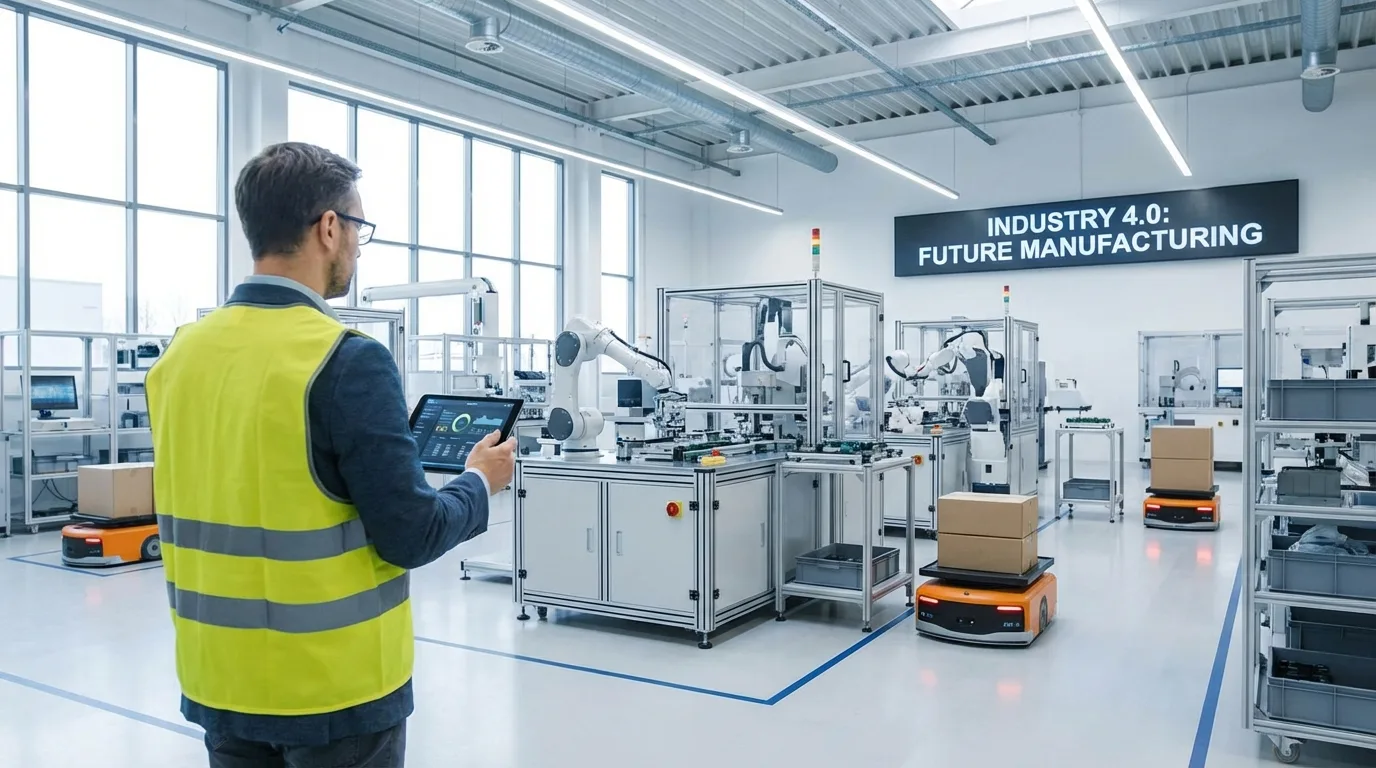
Choosing the right ERP software can make or break a manufacturing business in 2026. Supply chain volatility, skilled labor shortages, and changing consumer demands require more agility than ever before. If your current software can't keep up with your production floor, you're losing money.
Enterprise Resource Planning (ERP) systems designed specifically for manufacturing streamline everything from inventory control and shop floor management to accounting and supply chain logistics. In this guide, we break down the best manufacturing ERP software options available today, what they cost, and which type of manufacturer they serve best.
Why Manufacturers Need Specialized ERP Software
Generic ERPs might handle accounting and basic inventory, but manufacturers have unique needs. A purpose-built manufacturing ERP provides features like:
- Bill of Materials (BOM) Management: Tracking exact components, costs, and routing steps for complex assemblies.
- Material Requirements Planning (MRP): Automatically forecasting demand and scheduling raw material purchases so you never run out of critical parts.
- Shop Floor Control: Real-time visibility into machine downtime, labor tracking, and work-in-progress (WIP).
- Quality Control & Traceability: Serial number and lot tracking essential for compliance in industries like food and beverage, aerospace, or medical devices.
If your business relies on converting raw materials into finished goods, a standard accounting package simply won't cut it.
Top 7 Manufacturing ERP Systems for 2026
1. Epicor: Best for Mid-Market and Custom Manufacturers
Epicor Kinetic is consistently ranked as one of the most robust ERPs for manufacturers, particularly those in fabricated metals, industrial machinery, and automotive parts. It offers deep functionality tailored to make-to-order (MTO) and engineer-to-order (ETO) environments.
- Key Features: Advanced MES (Manufacturing Execution System), IoT integration for machine monitoring, and highly customizable dashboards.
- Pros: Deep industry-specific functionality out of the box; excellent traceability.
- Cons: Implementation can be complex and requires dedicated IT resources.
- Pricing: Custom quote based on deployment (cloud vs. on-premise) and user count.
2. NetSuite: Best Cloud ERP for Growing Manufacturers
Oracle NetSuite pioneered the cloud ERP space. While it serves many industries, its Advanced Manufacturing module is exceptionally strong for businesses scaling rapidly. It's ideal for mixed-mode manufacturers who need robust financial reporting alongside production management.
- Key Features: Unified global business management, multi-currency support, WIP and routing tracking.
- Pros: True cloud architecture, highly scalable, massive ecosystem of integrations.
- Cons: Can be expensive for smaller operations; the interface can feel overwhelming at first.
- Pricing: Annual licensing fee plus per-user costs; typically starts around $999/month + $99/user/month.
3. Plex Smart Manufacturing Platform: Best for Automotive and Aerospace
Plex was built in the cloud specifically for the shop floor. It is deeply focused on manufacturing execution, quality management, and supply chain connectivity. If you need rigorous compliance and real-time production tracking, Plex is a top contender.
- Key Features: Built-in quality management system (QMS), automated production tracking, strict compliance handling.
- Pros: Shop-floor-first design; excellent for highly regulated industries.
- Cons: The depth of features can be overkill for very simple, light-assembly operations.
- Pricing: Based on company revenue rather than user count, making it unique and potentially cost-effective for high-headcount operations.
4. Odoo: Best Open-Source & Budget-Friendly Option
Odoo is a modular, open-source ERP. You only pay for the apps you need, making it incredibly popular among small to mid-sized manufacturers who are upgrading from spreadsheets for the first time. The manufacturing suite includes MRP, PLM (Product Lifecycle Management), and maintenance.
- Key Features: Highly modular, barcode scanning integration, drag-and-drop production scheduling.
- Pros: Very affordable; modern, user-friendly interface.
- Cons: Relying heavily on third-party apps for complex needs can lead to integration headaches.
- Pricing: Free for one app; affordable monthly pricing for the full suite (often under $40/user/month).
5. Infor CloudSuite Industrial (SyteLine): Best for Complex Manufacturing
Infor CloudSuite Industrial (formerly SyteLine) is an end-to-end ERP that excels in complex manufacturing environments, particularly discrete manufacturing. It offers deep functionality for managing highly variable product configurations.
- Key Features: Advanced planning and scheduling (APS), configure-price-quote (CPQ) capabilities, robust service management.
- Pros: Excellent for companies that manage both manufacturing and aftermarket field service.
- Cons: The user interface feels slightly dated compared to newer cloud-native competitors.
- Pricing: Custom quote based on requirements.
6. Katana: Best for Small D2C and Light Manufacturers
Katana is a visual MRP designed specifically for small, modern makers and direct-to-consumer (D2C) brands. It integrates seamlessly with Shopify, WooCommerce, and QuickBooks Online, making it the perfect bridge between e-commerce and production.
- Key Features: Visual production scheduling, real-time raw material tracking, multichannel sales integration.
- Pros: Extremely intuitive; fast setup; perfect for workshops and boutique manufacturers.
- Cons: Lacks the deep financial and HR modules of a full enterprise ERP.
- Pricing: Starts around $99/month for basic features.
7. SYSPRO: Best for Process and Discrete Manufacturing Hybrid
SYSPRO is unique because it caters specifically to both process manufacturing (food, chemicals, where recipes matter) and discrete manufacturing (furniture, electronics, where BOMs matter). If your business straddles these two worlds, SYSPRO offers a unified solution.
- Key Features: Lot traceability, recipe/formula management, robust engineering change control.
- Pros: Deep specialization in manufacturing and distribution; highly flexible deployment options.
- Cons: Partner-led implementation quality can vary.
- Pricing: Custom quote.
How to Choose the Right Manufacturing ERP
Selecting an ERP is a major decision. Consider these three factors before signing a contract:
- Deployment Method: Do you want a true SaaS cloud solution (like NetSuite or Plex) that requires less IT infrastructure, or do you need an on-premise system for security or legacy hardware reasons?
- Manufacturing Mode: Make sure the software excels at your specific type of manufacturing (e.g., discrete, process, mixed-mode, job shop, or repetitive).
- Implementation Support: Software is only as good as its setup. Ensure the vendor or implementation partner has a proven track record in your specific industry.
Final Thoughts
The best ERP software for your manufacturing business depends entirely on your size, complexity, and budget. Small D2C makers will love Katana, fast-growing mid-market companies often lean toward NetSuite or Odoo, while complex industrial manufacturers require the heavy lifting of Epicor or Infor. Invest time in detailed software demos and ask vendors to prove their capabilities using your actual business data.
Frequently asked questions
What is ERP software for manufacturing?
Manufacturing ERP (Enterprise Resource Planning) software integrates all aspects of a manufacturing business—including production planning, inventory, supply chain, finance, and human resources—into a single system.
How much does a manufacturing ERP system cost?
Cloud-based manufacturing ERPs typically start around $50 to $150 per user per month. On-premise enterprise solutions can cost tens of thousands of dollars in upfront licensing and implementation fees.
Do small manufacturers really need an ERP?
Yes, once a manufacturer outgrows basic spreadsheets or entry-level accounting software, an ERP is essential for tracking raw materials, managing bills of materials (BOM), and ensuring production efficiency.